Tarangire River
The park’s lifeline, lined with elephant trails, big trees and predators waiting at the drinking spots.
Land of Giants
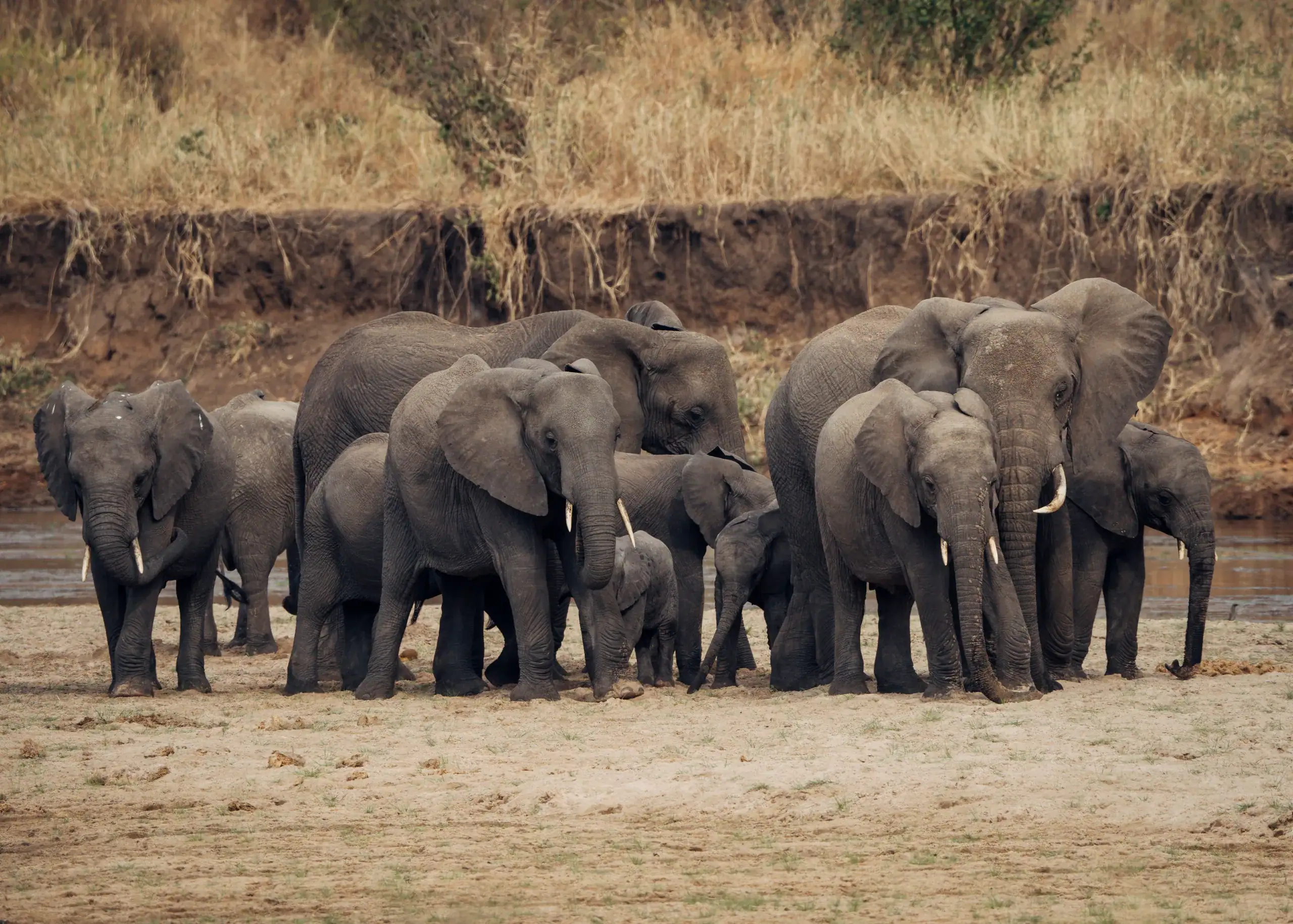
Home to massive elephant herds and iconic ancient baobab trees, Tarangire offers a rugged, authentic wilderness experience particularly stunning during the dry season.
Overview
It is a quiet, less-crowded alternative to the Serengeti, famous for having one of the highest concentrations of elephants in Tanzania and striking landscapes dominated by centuries-old baobab trees.
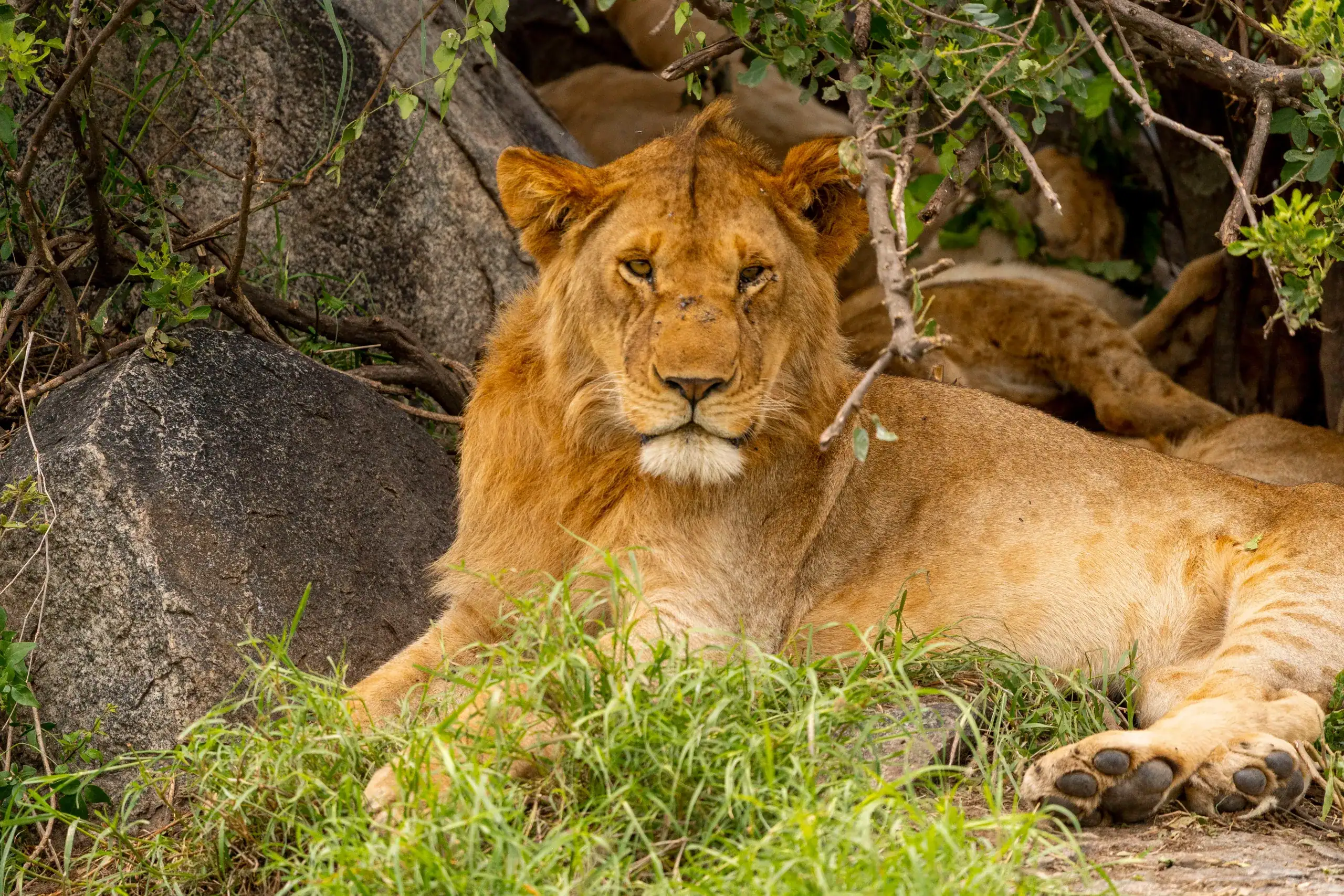
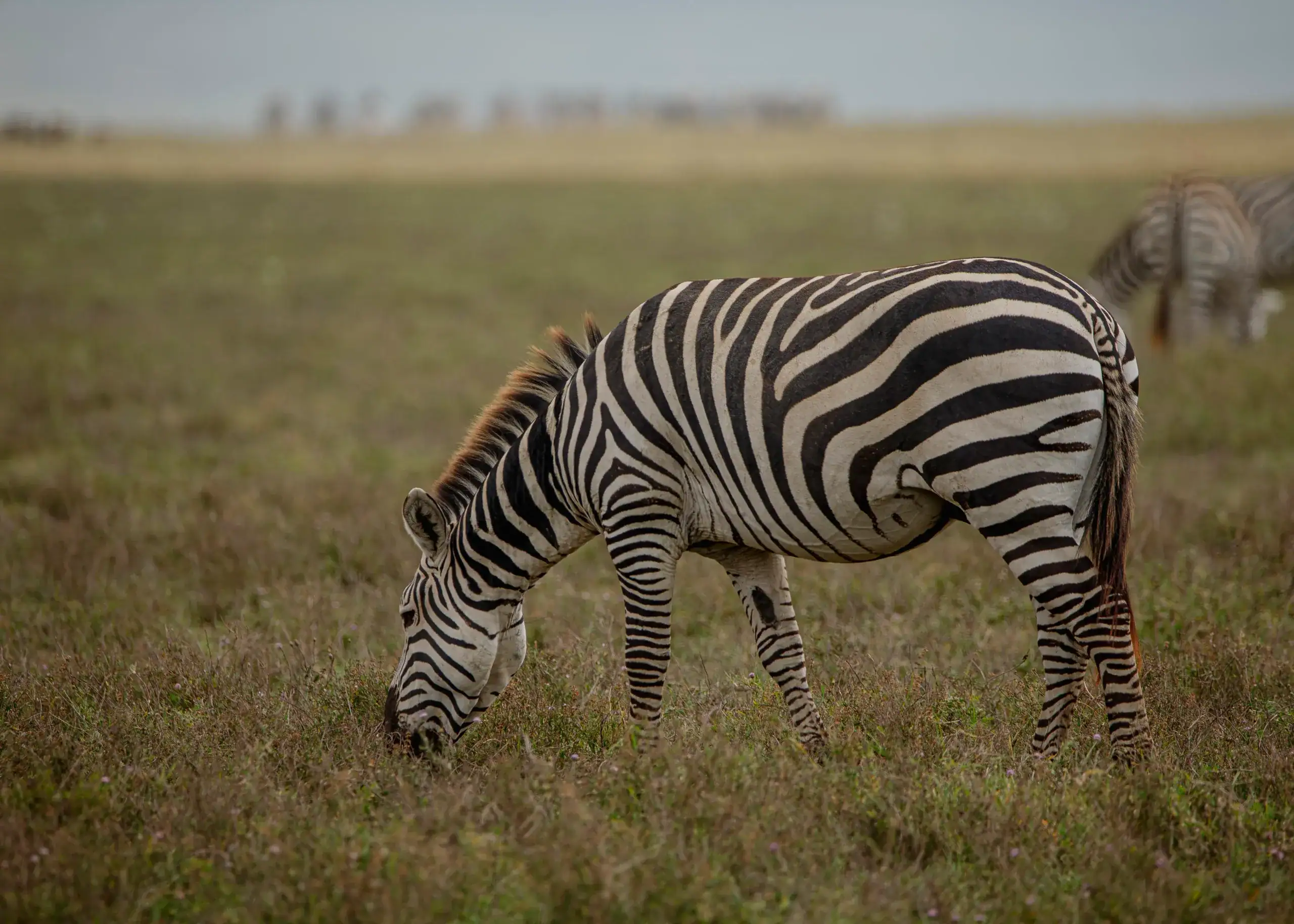
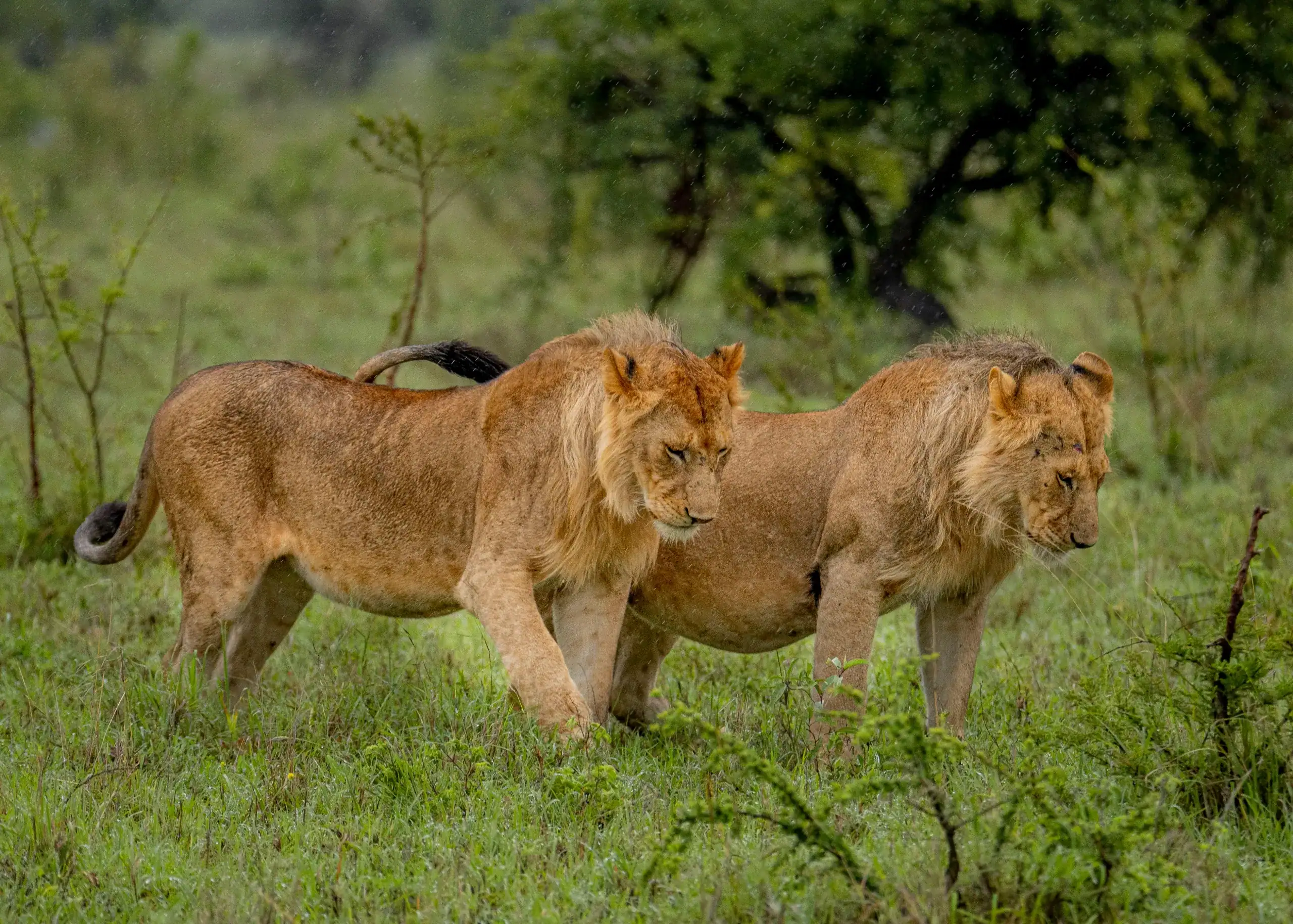
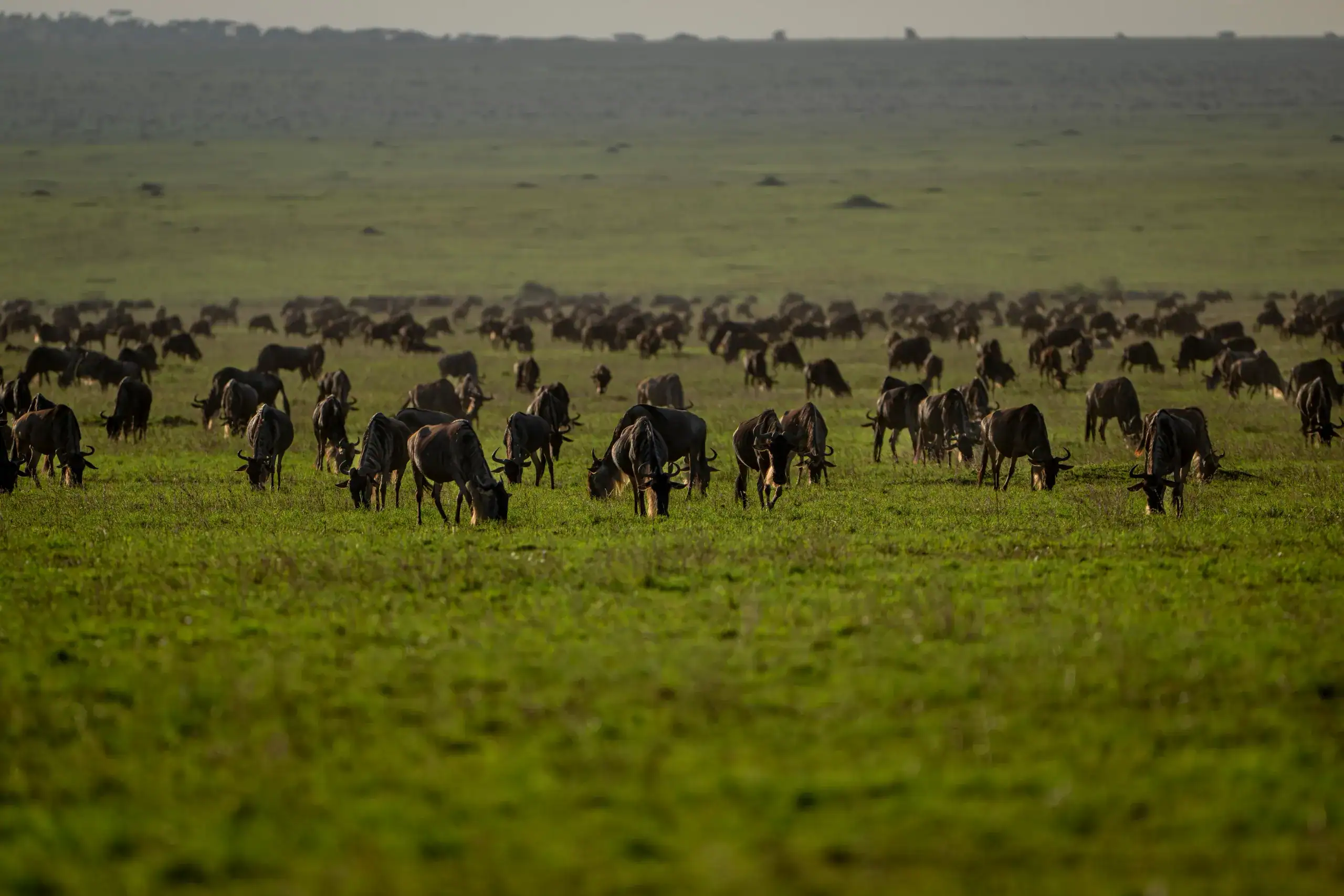
Tarangire is the park of elephants and baobabs. In the dry season the Tarangire River is the only reliable water for miles, and wildlife streams in from the surrounding Maasai Steppe: elephant herds of several hundred, buffalo, zebra, wildebeest and the predators that follow them.
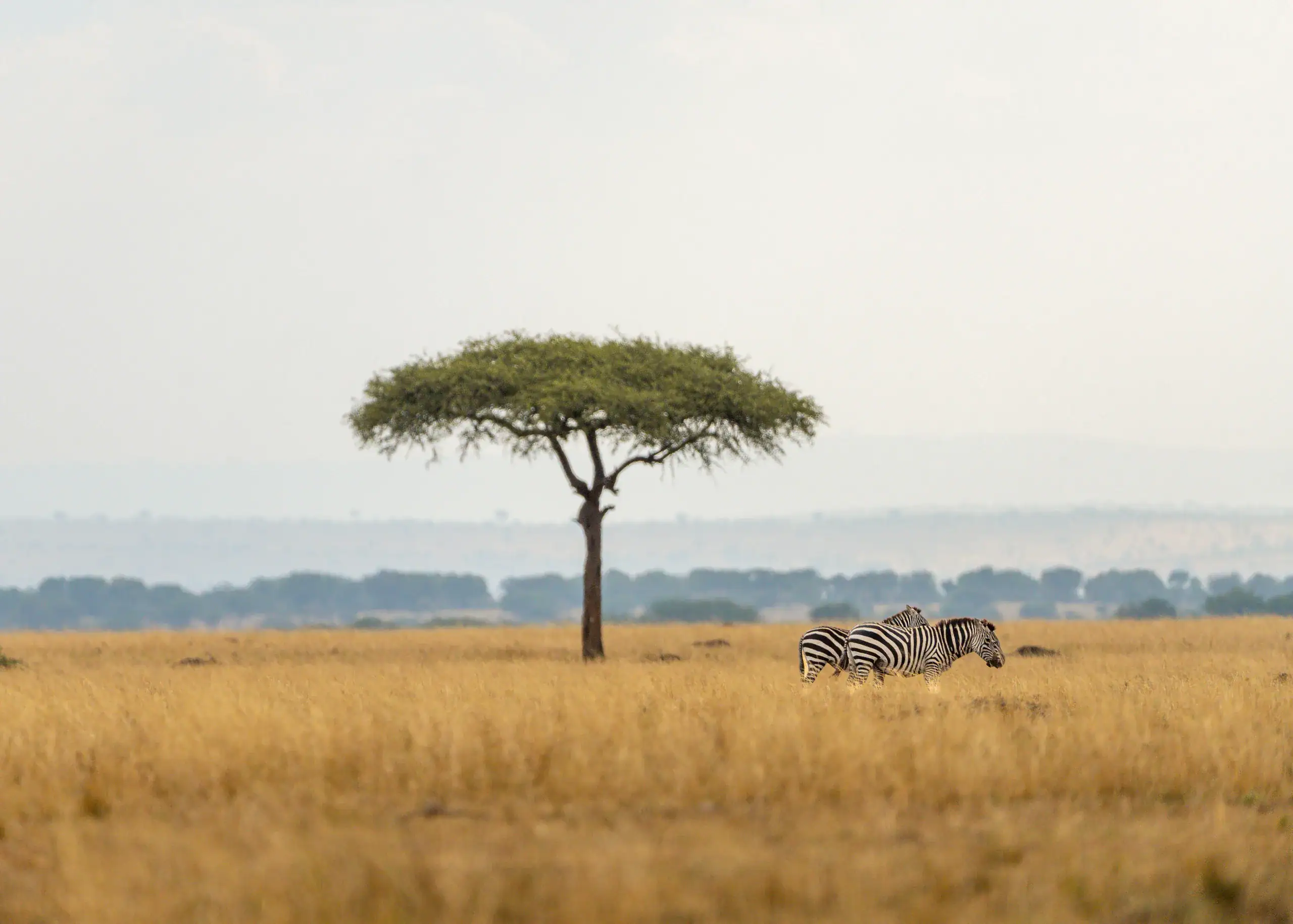
Its landscape is unlike the rest of the north: rolling hills of acacia and combretum woodland, swamps such as Silale, and giant baobabs, some of them many centuries old.
Tarangire sees fewer vehicles than the Serengeti or the crater, especially in its southern half, and the private concessions on its borders allow walking safaris and night drives.
Inside the park
Where you stay and explore shapes what you see. These are the main areas we plan around.
The park’s lifeline, lined with elephant trails, big trees and predators waiting at the drinking spots.
A large wetland in the south that stays green through the dry season, good for elephants, buffalo and lions.
Quiet, rarely visited woodland and swamps for travellers who want space to themselves.
Community wildlife areas and private land outside the park where walks and night drives are permitted.
Wildlife
Some of the largest elephant herds in Tanzania, plus fringe-eared oryx, lesser kudu and gerenuk rarely seen elsewhere in the north.
When to go
July to October. During the dry season, wildlife from the surrounding ecosystem converges on the Tarangire River, creating spectacular aggregations.
Wildlife concentrates along the river, with peak elephant numbers from about August to October.
Animals disperse onto the surrounding plains, the park turns green and birdlife peaks with migrant species.
Getting there
About 2 hours from Arusha (roughly 120 km) on a good tarmac road, which makes it the classic first stop of a northern safari.
Light aircraft use the Kuro airstrip inside the park.
Things to do
Where to stay
We match each stay to your budget and the season, from classic tented camps to luxury lodges.
Camps overlooking the river, where elephants often walk past.
Small camps just outside the park offering walks and night drives.
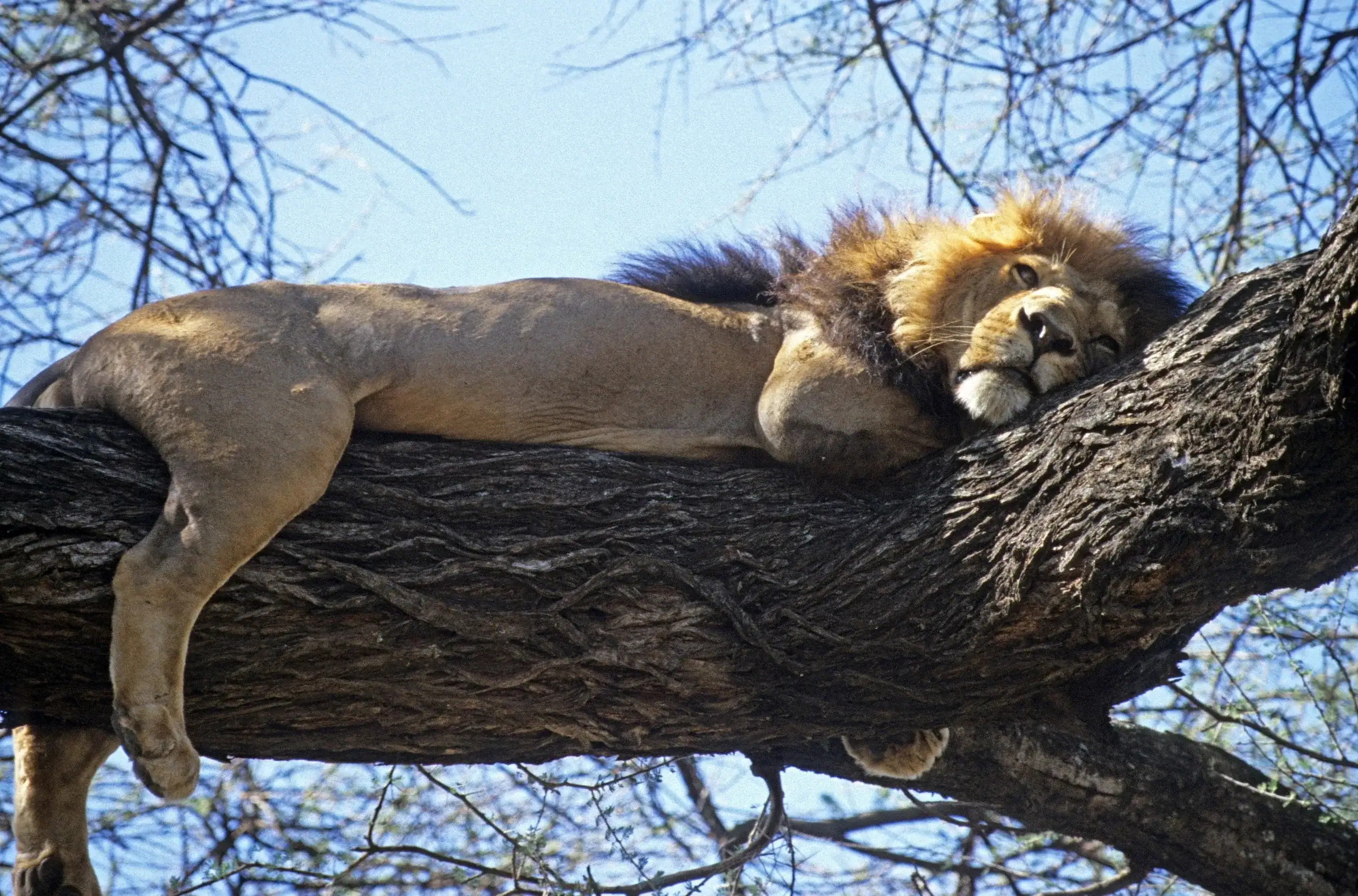
Game drives here have a prehistoric feel as you navigate between colossal baobab trunks. You’ll spend time observing complex elephant herd dynamics and scanning the branches of sausage trees for pythons and lions.
Itineraries
Each one is a starting point we tailor to your dates, pace and budget.
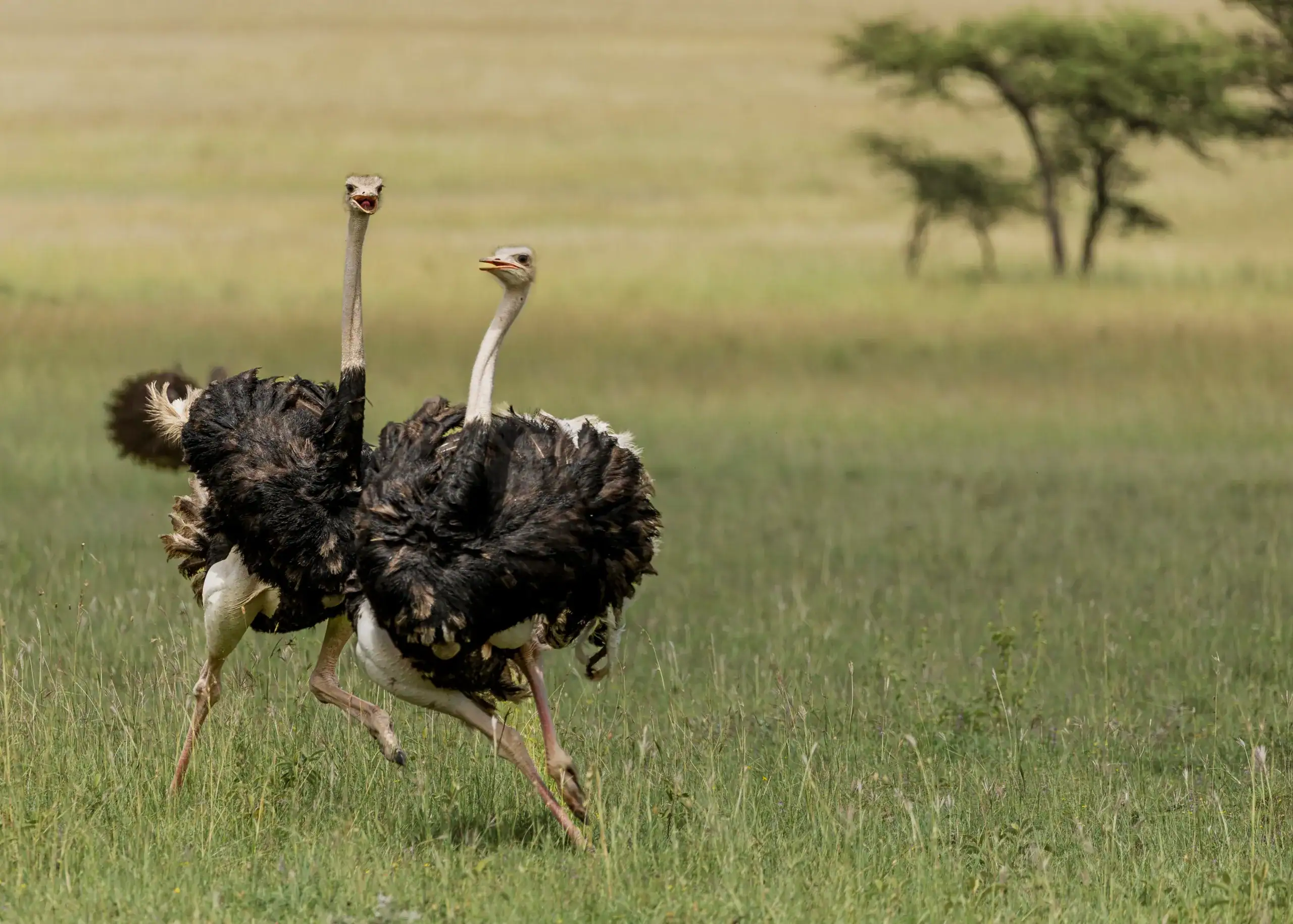 Short Escape
A short but immersive escape into Tarangire’s elephant-filled landscapes and ancient baobab forests.
2 Days / 1 Night · View itinerary →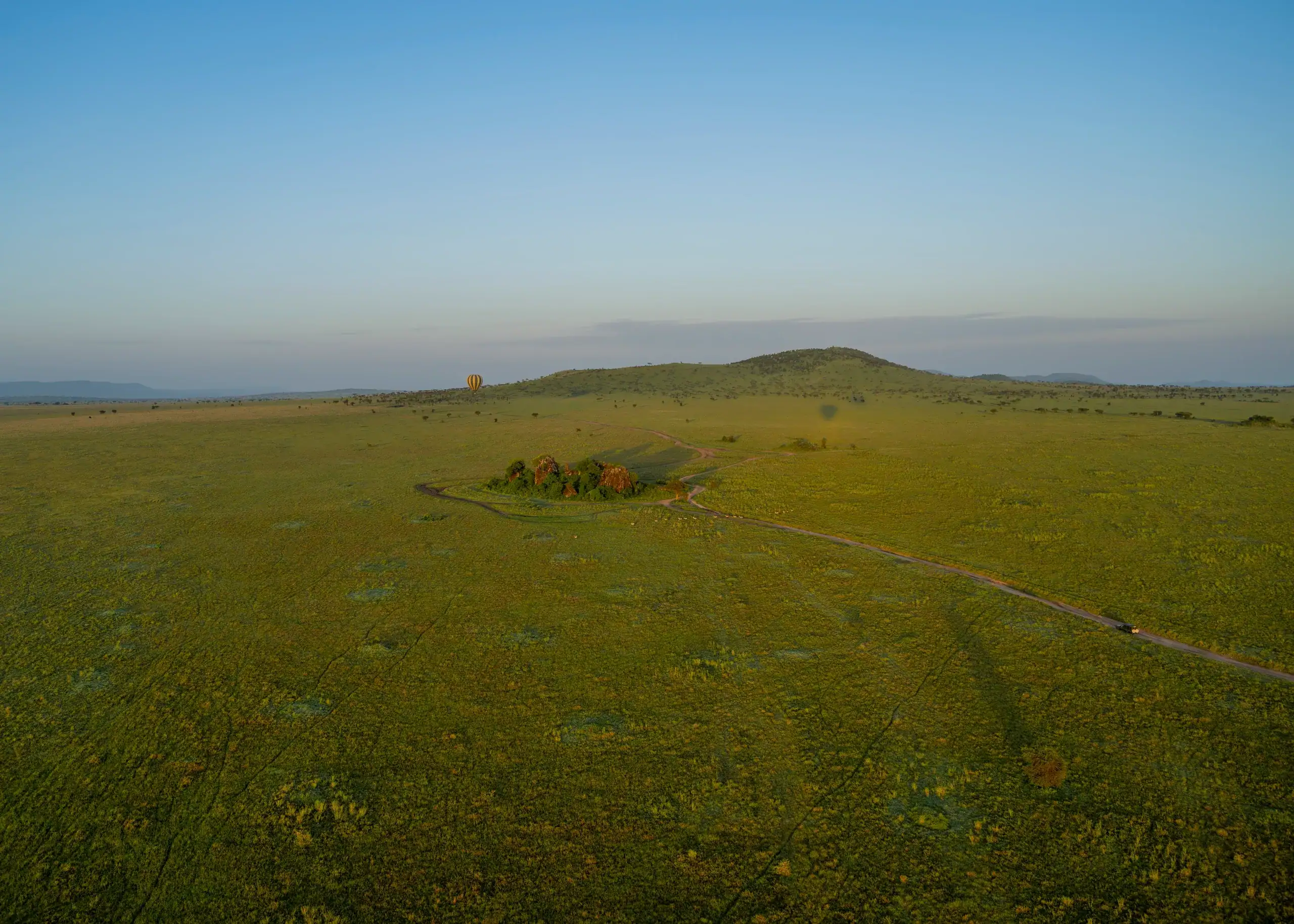 Balanced Circuit
A compact but rich safari through Tanzania’s most iconic parks.
4 Days / 3 Nights · View itinerary →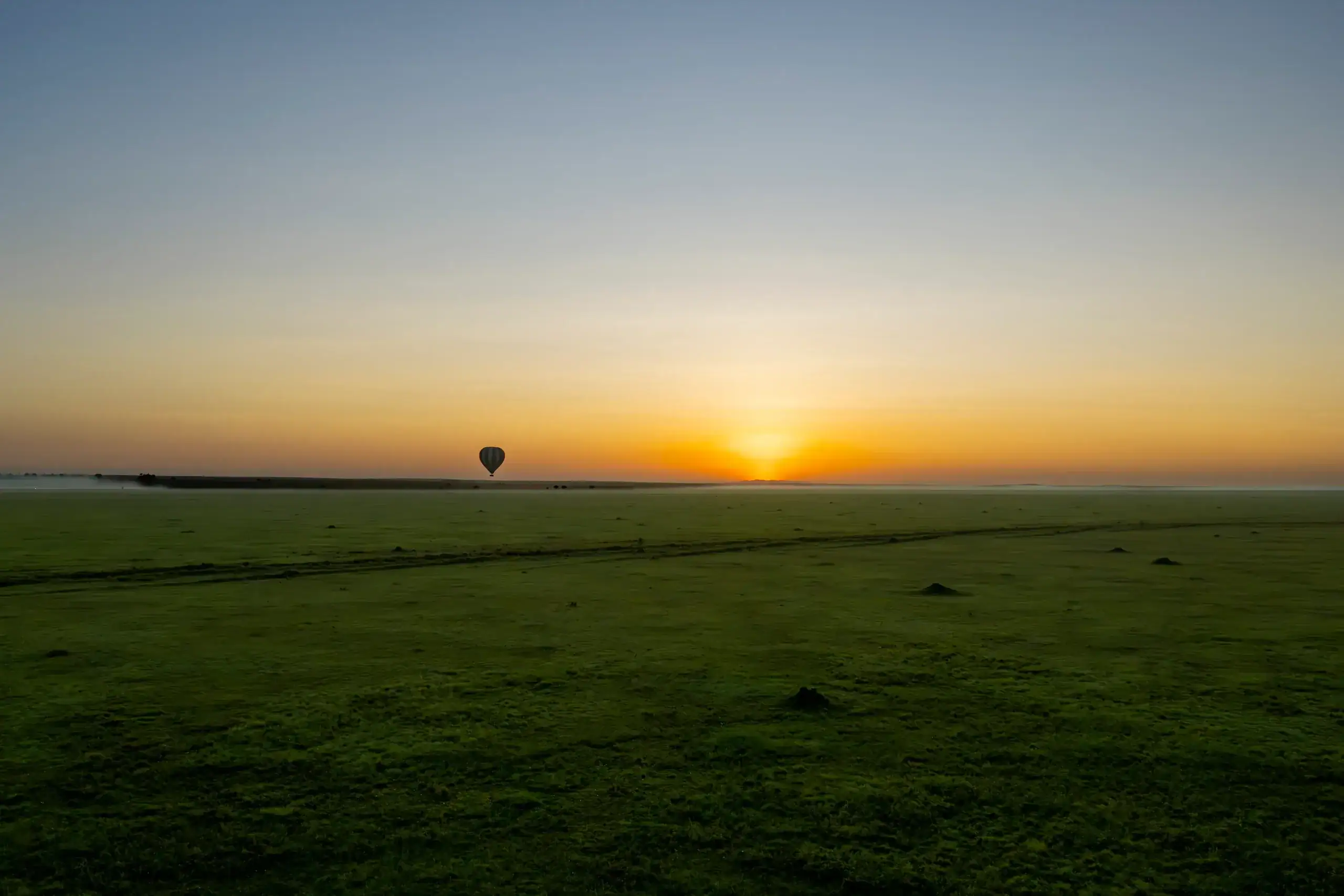 Classic Safari Circuit
A well-balanced introduction to Tanzania’s northern safari circuit.
5 Days / 4 Nights · View itinerary →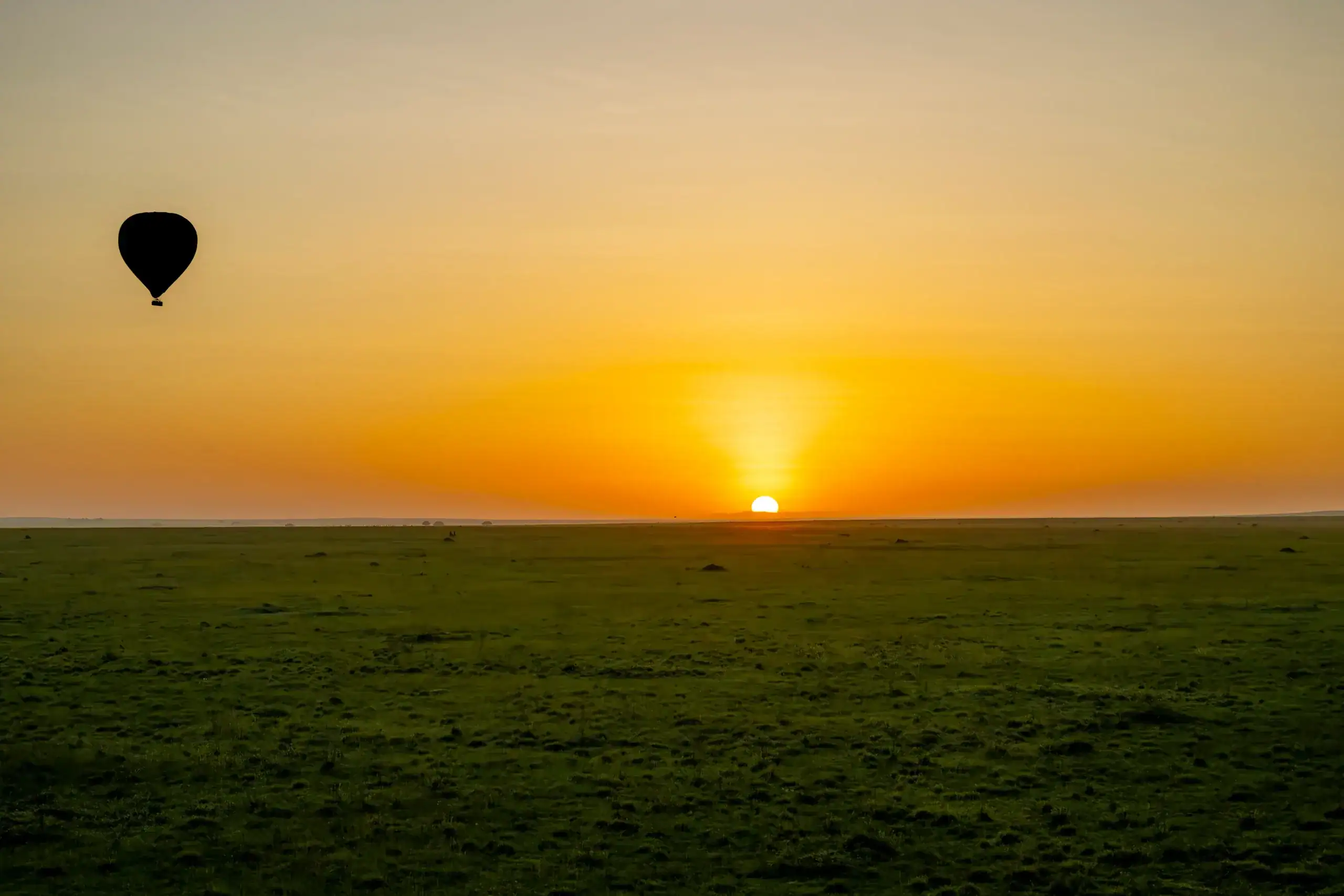 Explorer Circuit
A deeper journey through Tanzania’s diverse northern ecosystems.
6 Days / 5 Nights · View itinerary → Complete Safari
A complete safari journey through Tanzania’s most iconic northern parks.
7 Days / 6 Nights · View itinerary →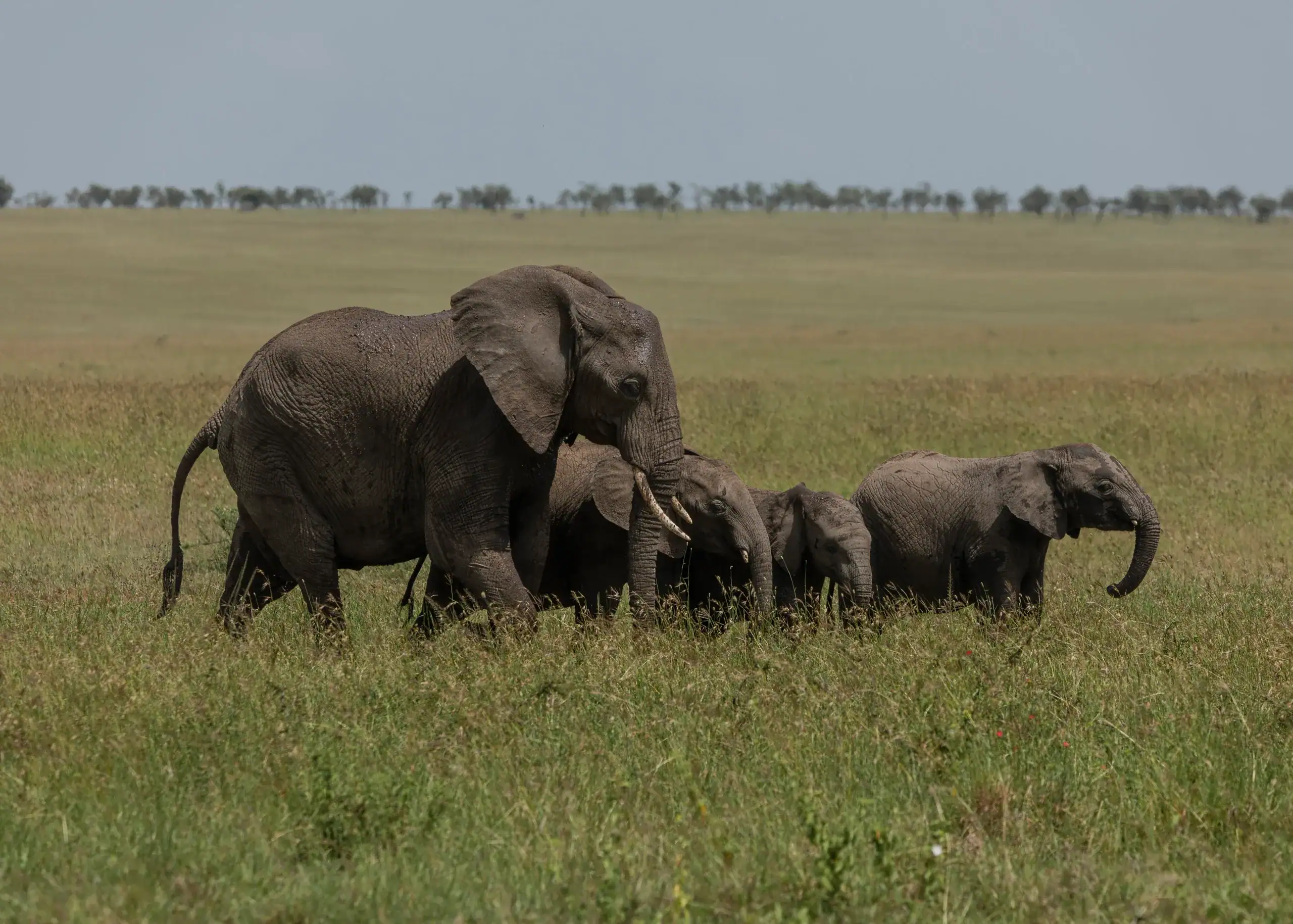 Extended Safari
A deep and slow exploration of northern Tanzania ecosystems.
9 Days / 8 Nights · View itinerary →Questions
Combine with
Tell us your dates and interests. A safari designer replies within 24 hours with ideas and prices.