Seronera (Central Serengeti)
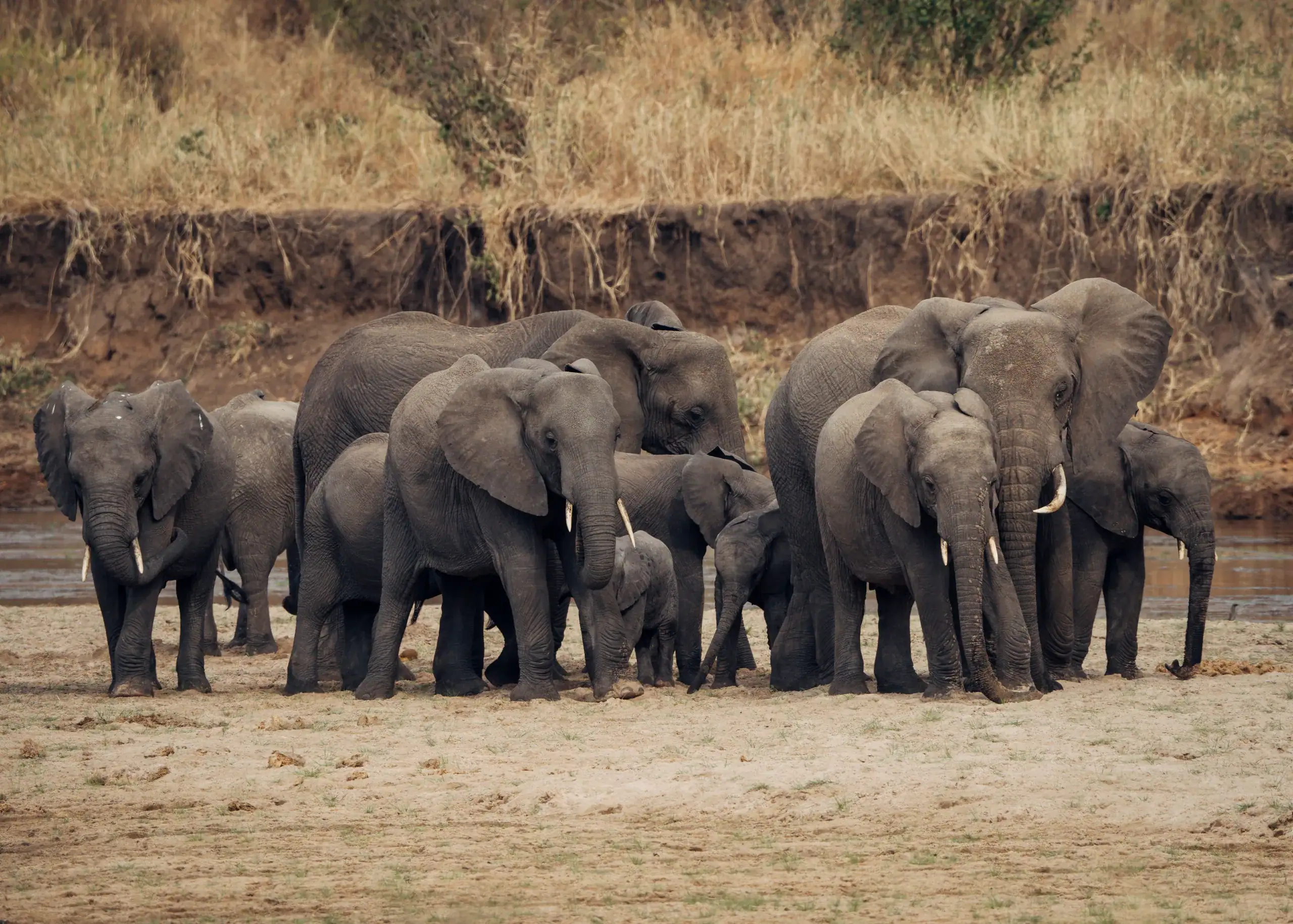
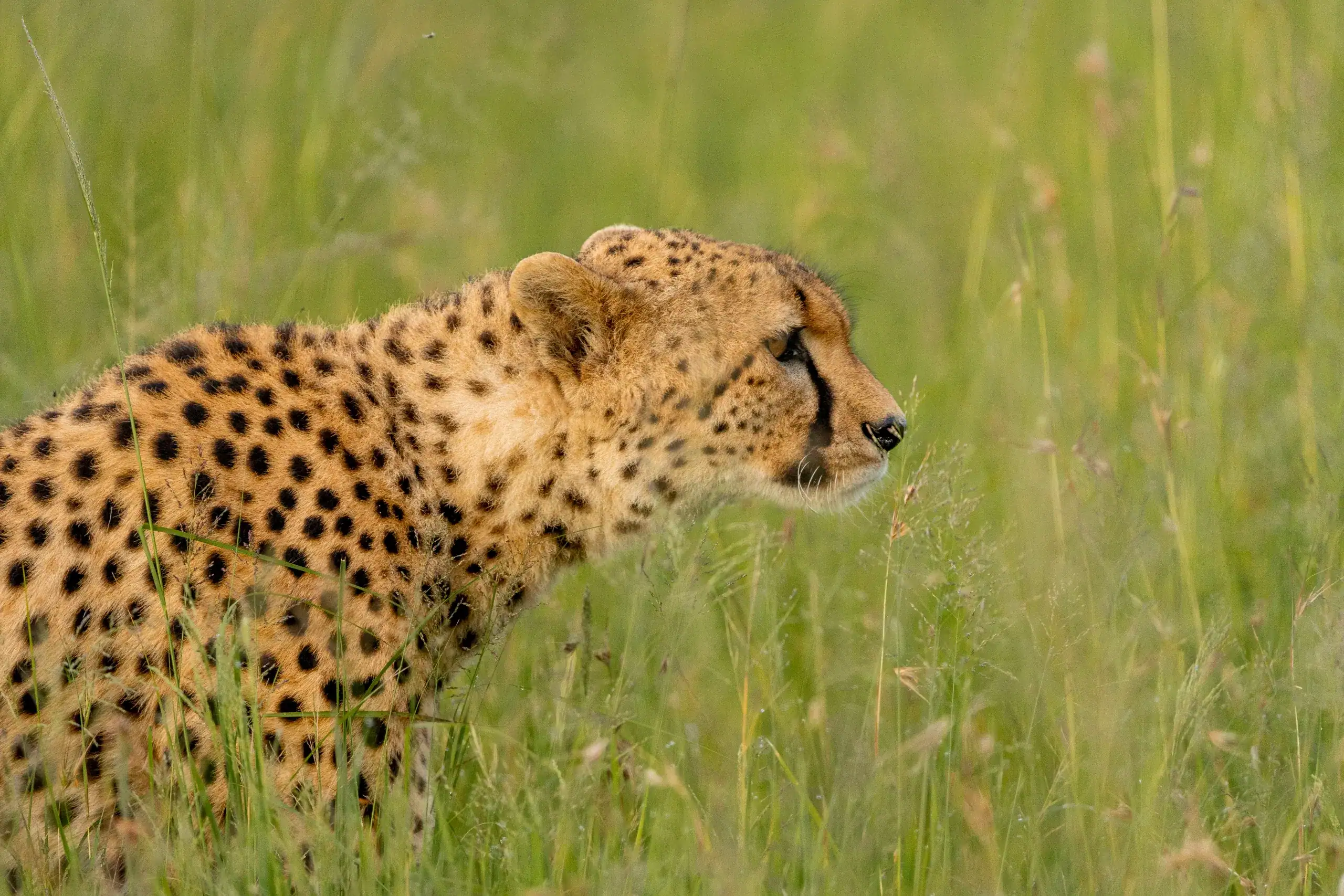
The park’s year-round heart, with the Seronera River, rocky kopjes and resident lions, leopards and cheetahs. Good in any month and usually the first stop on a northern circuit.
The Endless Plains
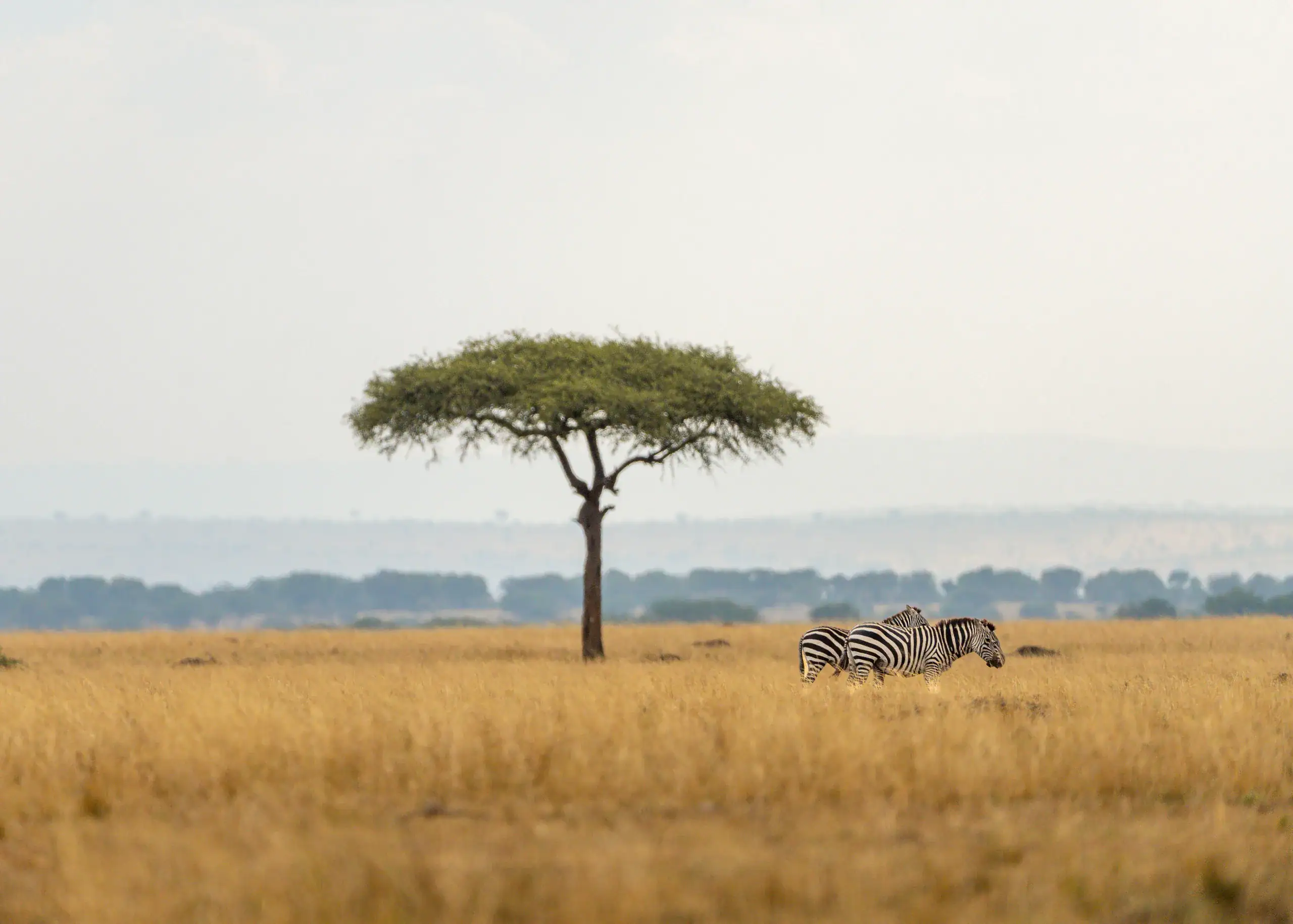
The Serengeti is where the pulse of Africa beats strongest. Home to the Great Migration and the highest concentration of large predators on earth, it offers a safari experience of unparalleled scale and drama.
Overview
The Serengeti is the quintessential African safari destination. It is the stage for the dramatic Great Migration, offering absolute isolation in remote concessions and the most dense predator populations, making every game drive exhilarating.
The Serengeti takes its name from the Maasai word siringet, "the place where the land runs on forever", and it lives up to it. Its grass plains, acacia savanna and granite kopjes cover almost 15,000 km² and join Kenya’s Maasai Mara to form one continuous ecosystem.
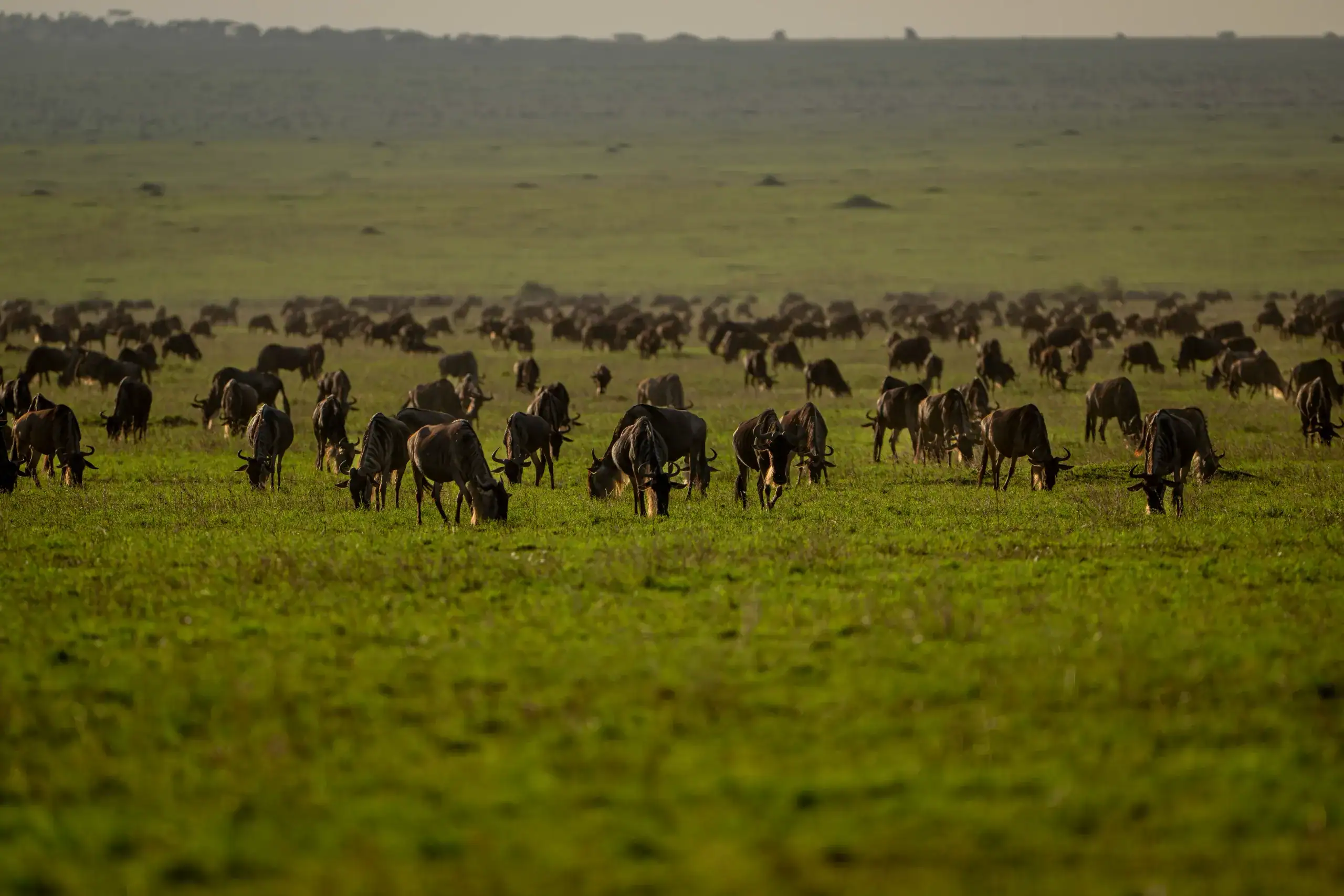
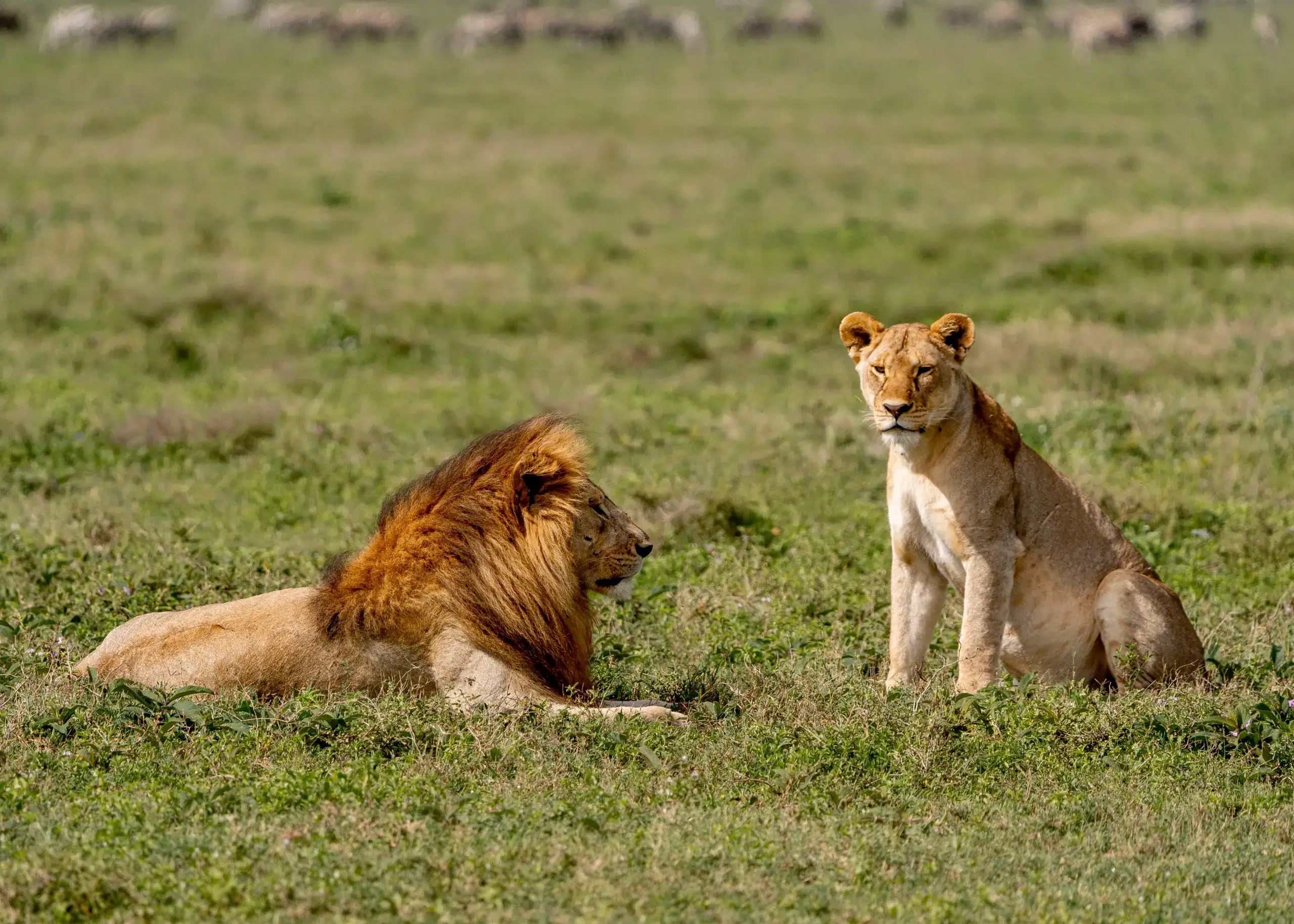
It is the stage for the Great Migration: around 1.5 million wildebeest, with hundreds of thousands of zebra and gazelle, moving in a year-long loop in search of fresh grazing and water. Lions, cheetahs, leopards and hyenas follow the herds, which is why the Serengeti has some of the richest predator viewing in Africa.
Because the herds move, where you stay matters as much as when you go. We place you in the right part of the park for your dates, and plan full days out with a packed lunch so you are in the field when things happen.
Inside the park
Where you stay and explore shapes what you see. These are the main areas we plan around.
The park’s year-round heart, with the Seronera River, rocky kopjes and resident lions, leopards and cheetahs. Good in any month and usually the first stop on a northern circuit.
Short-grass plains on the edge of the Ngorongoro Conservation Area where the herds calve between roughly late January and March, drawing intense predator activity.
A long finger of woodland and plains running towards Lake Victoria. The herds pass through around May to July and cross the Grumeti River, where giant crocodiles wait.
Rolling hills along the Mara River, quiet for much of the year and the scene of the famous river crossings from about July to October.
Granite outcrops, fewer vehicles and good cat sightings; a rewarding stop between the centre and the north.
Wildlife
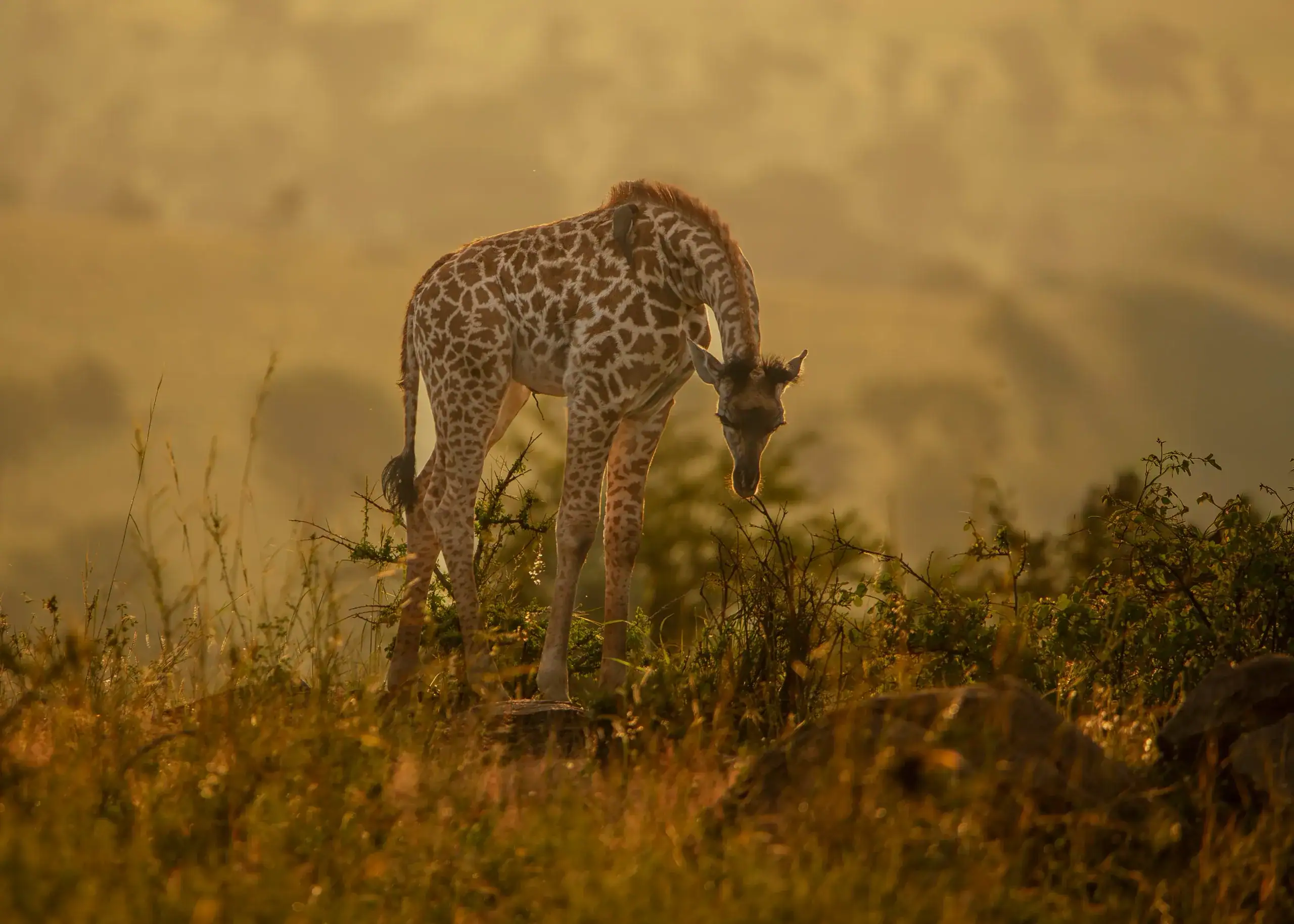
Lions in the open, cheetahs on termite mounds, leopards in the sausage trees and, in season, more than a million wildebeest.
When to go
June to October for the migration river crossings; January to February for the calving season in the southern plains.
Herds gather on the southern plains around Ndutu to give birth. Predator action is at its most intense and the plains are green.
Heavy afternoon rain, lush scenery and very few visitors. Some seasonal camps close, but the central Serengeti stays rewarding.
The migration moves north-west and crosses the Grumeti River.
Dry, sunny weather and the dramatic river crossings in the far north. The busiest and most sought-after period.
Brief showers; the herds head south again through the eastern Serengeti.
Getting there
About 7–8 hours from Arusha via the Ngorongoro highlands (roughly 325 km), with game viewing on the way.
Scheduled light-aircraft flights from Arusha land at Seronera, Kogatende, Lobo and other bush airstrips in about 1–2 hours.
Things to do
Where to stay
We match each stay to your budget and the season, from classic tented camps to luxury lodges.
Tented camps that move with the migration, placing you close to the herds in calving or crossing season.
Comfortable canvas camps in Seronera, Lobo and the north, open most of the year.
Larger stone-and-thatch lodges in the central Serengeti, good value outside peak season.
Expect early morning starts wrapped in blankets, golden light spilling across endless short-grass plains, and the visceral thrill of tracking lions and leopards. Days are spent entirely in the bush with packed lunches, maximizing your time among the wildlife.
Itineraries
Each one is a starting point we tailor to your dates, pace and budget.
 Quick Safari
A fast-paced Serengeti experience focused on predator action and endless plains.
3 Days / 2 Nights · View itinerary →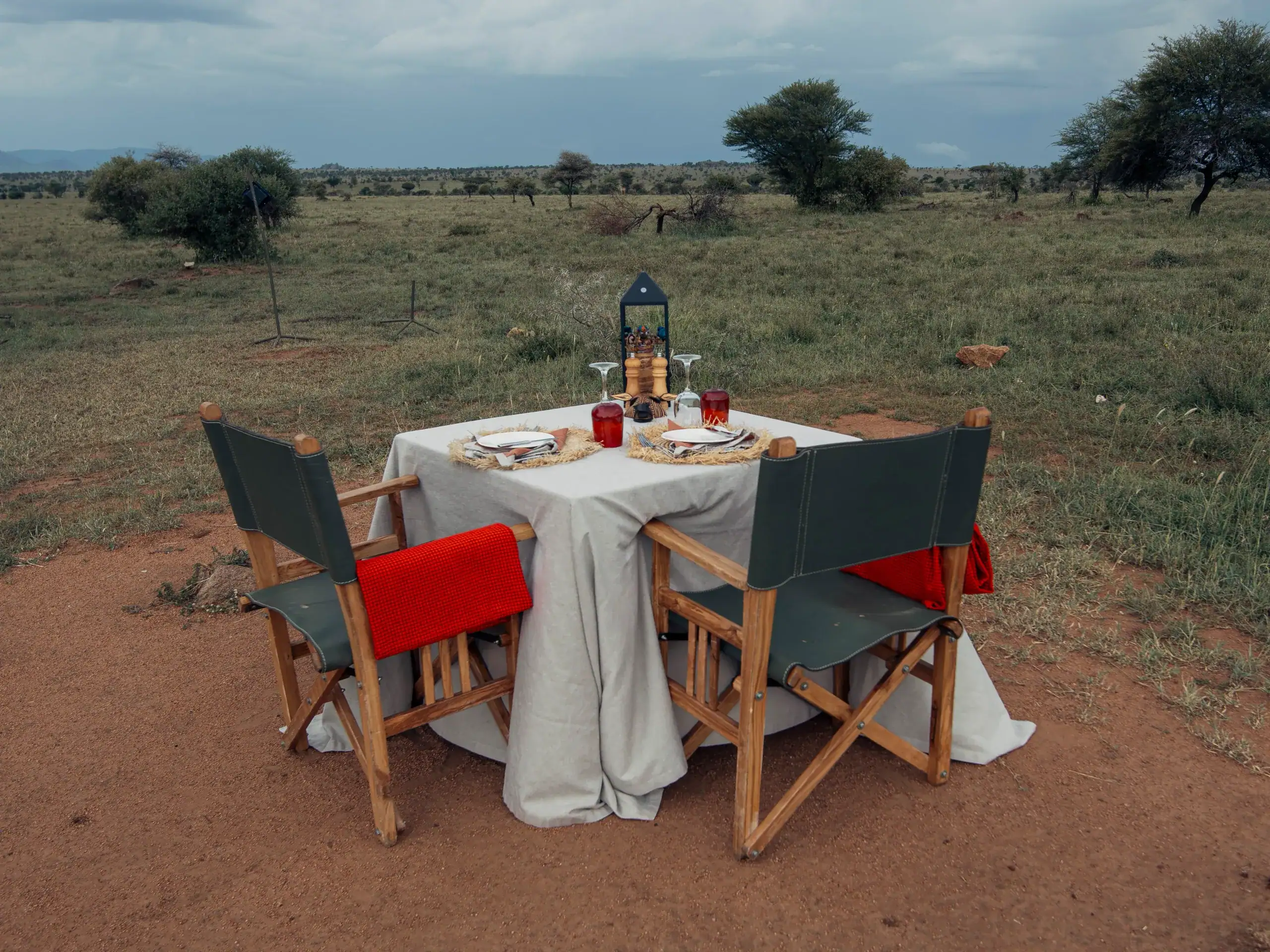 Classic Combo
A powerful combination of Serengeti’s open plains and Ngorongoro’s enclosed wildlife ecosystem.
3 Days / 2 Nights · View itinerary →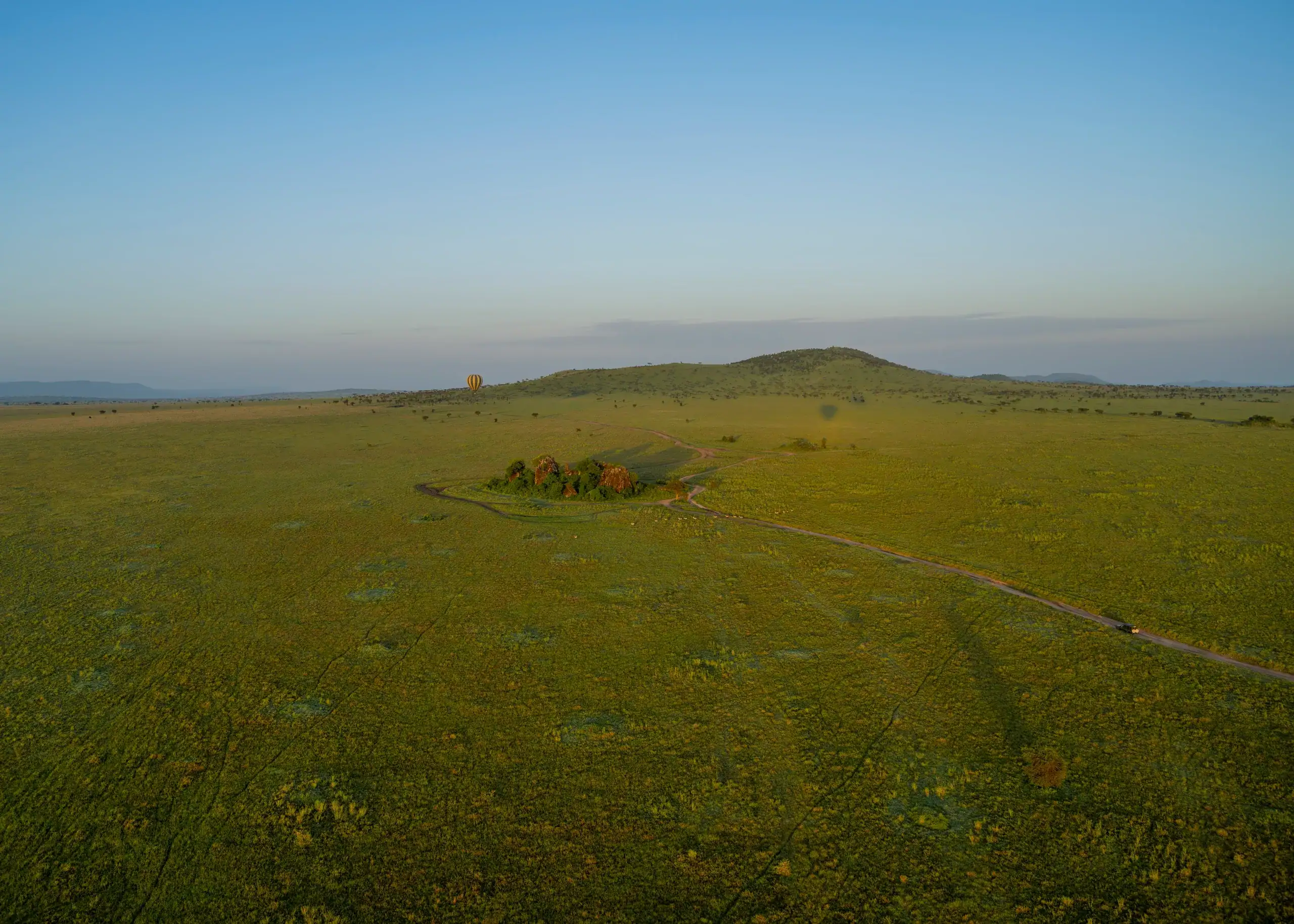 Balanced Circuit
A compact but rich safari through Tanzania’s most iconic parks.
4 Days / 3 Nights · View itinerary →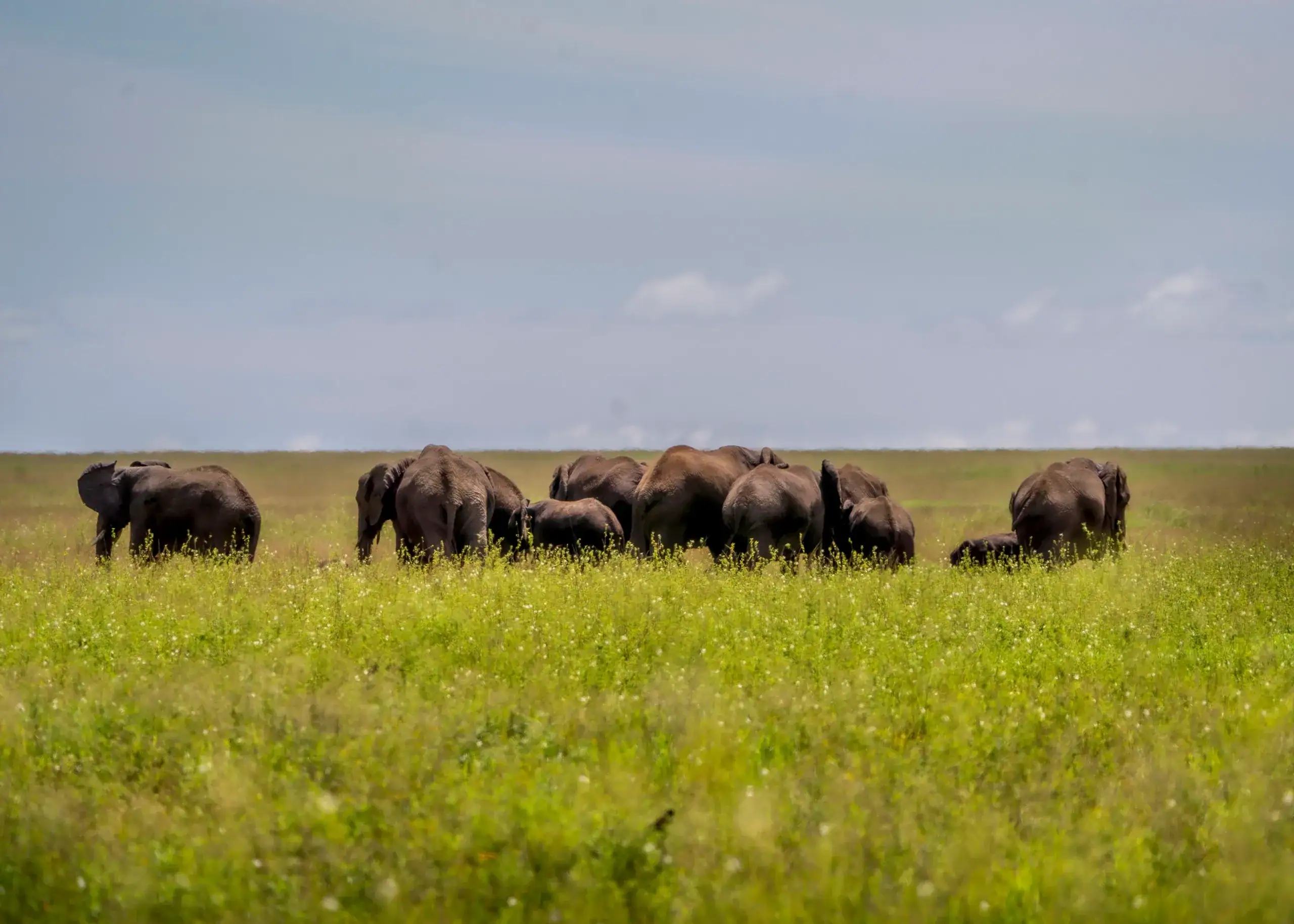 Luxury Fly-In
A premium fly-in safari maximizing time in the Serengeti wilderness.
4 Days / 3 Nights · View itinerary →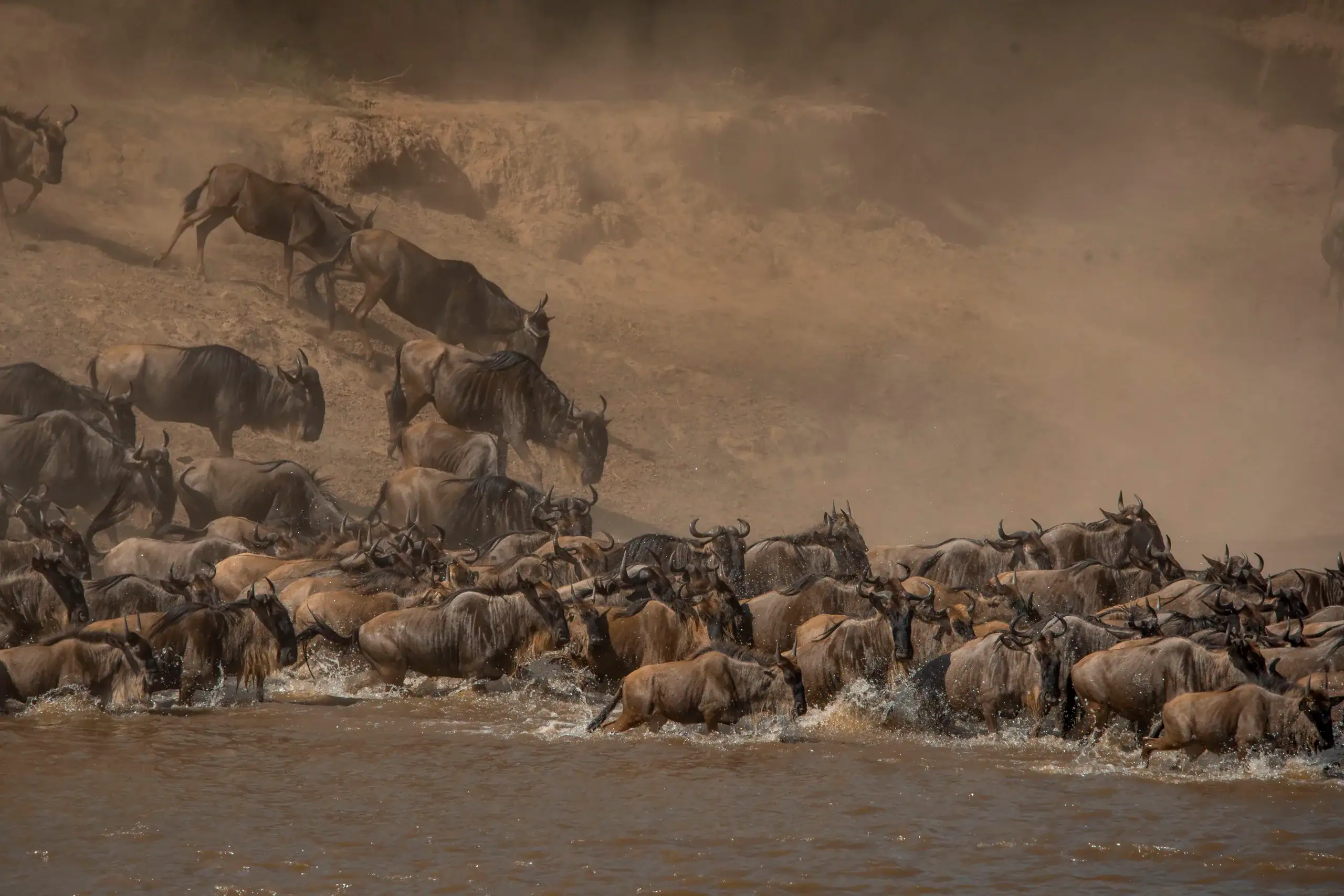 Migration Focus
A strategic safari following the movement of over 2 million wildebeest and zebras.
5 Days / 4 Nights · View itinerary →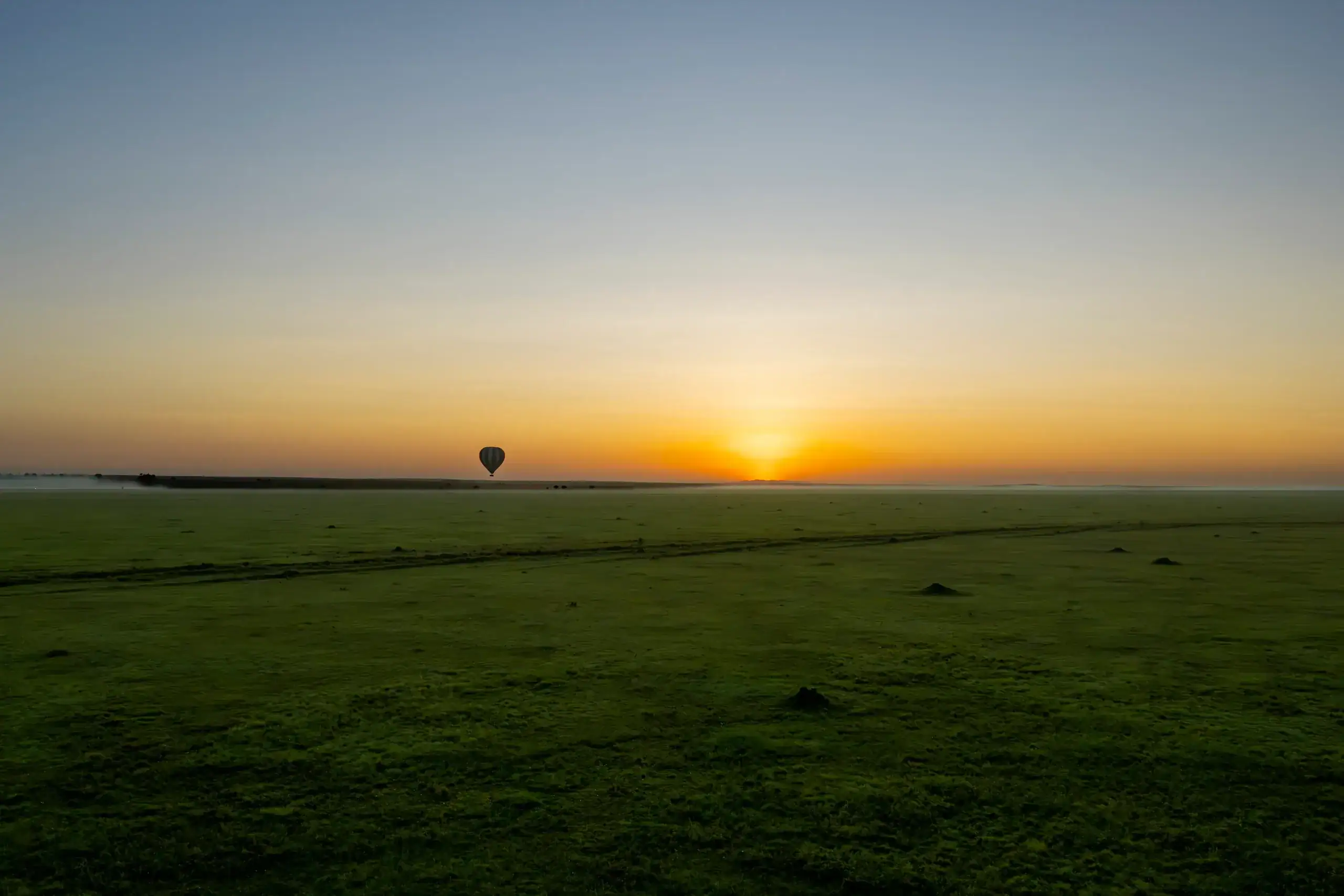 Classic Safari Circuit
A well-balanced introduction to Tanzania’s northern safari circuit.
5 Days / 4 Nights · View itinerary →Questions
Combine with
Tell us your dates and interests. A safari designer replies within 24 hours with ideas and prices.