The crater floor
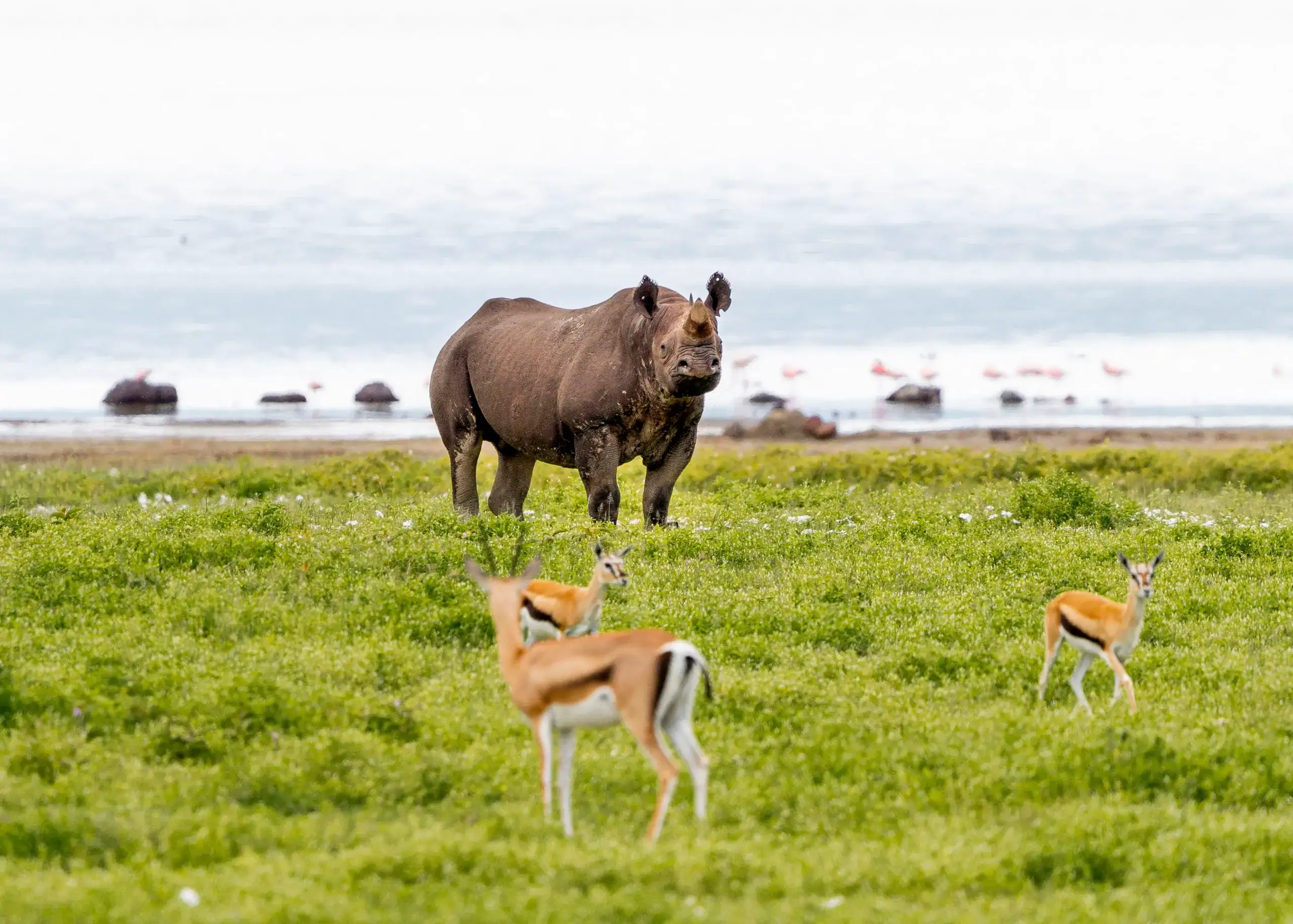
Open grassland, Lake Magadi with its flamingos, the Lerai fever-tree forest and the Ngoitokitok spring. Time on the floor is limited each day, so we descend early.
The Eighth Wonder
A collapsed volcano that has formed a self-contained ecosystem. The crater floor is a sanctuary for over 25,000 large animals, including the rare black rhino.
Overview
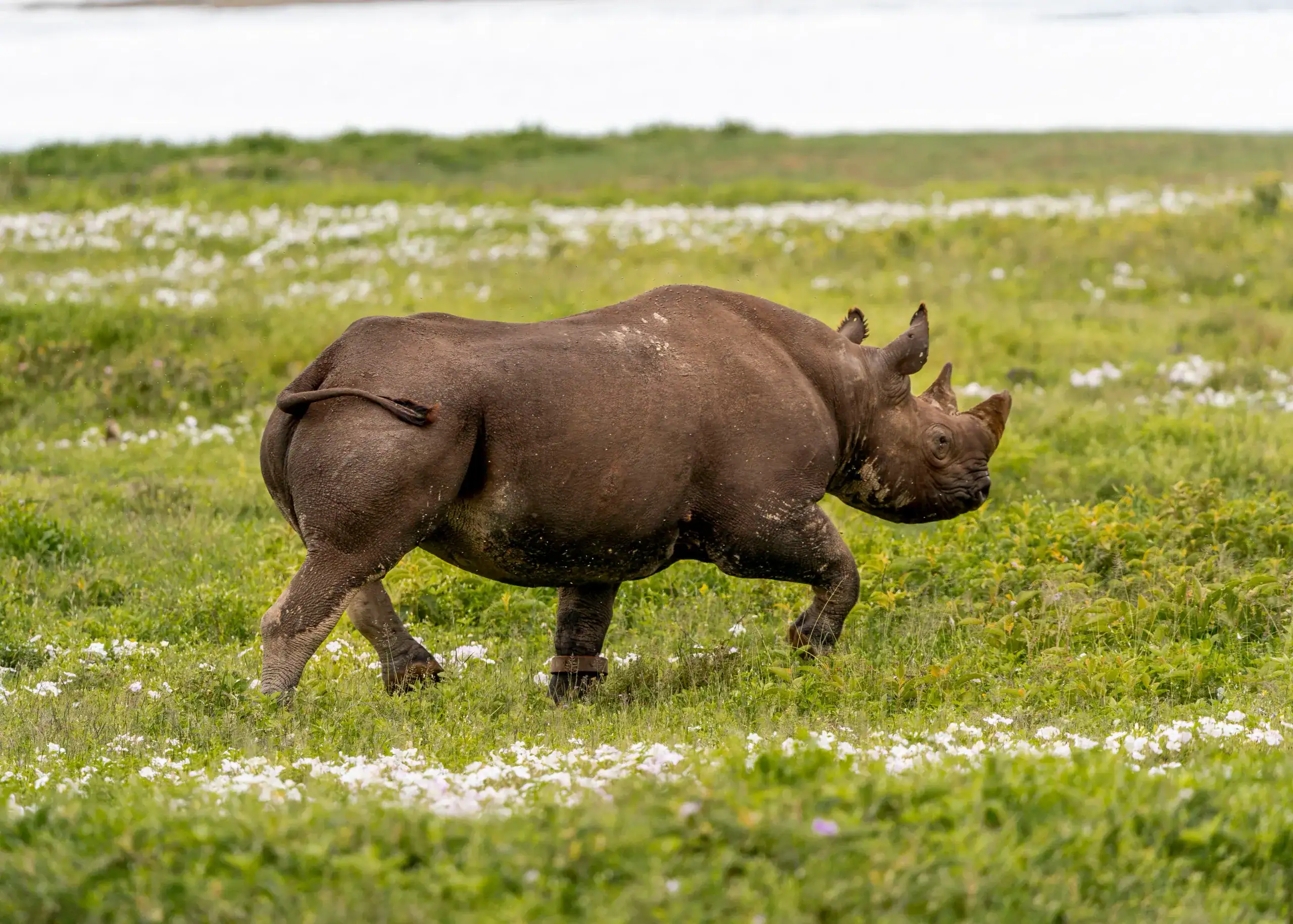
The Ngorongoro Crater guarantees year-round, high-density wildlife viewing in an unbelievable volcanic setting. It is one of the most reliable places in Tanzania to spot the elusive Black Rhino.
The Ngorongoro Crater is the largest unbroken, unflooded volcanic caldera in the world: a 600-metre-deep bowl roughly 18 km across, formed when a huge volcano collapsed two to three million years ago. Its floor holds grassland, a soda lake, swamps and a fever-tree forest, and an estimated 25,000 large animals.
Because the walls keep much of the wildlife in, the crater offers some of the most concentrated game viewing in Africa, and it is one of the best places in Tanzania to see the endangered black rhino.
The crater is only part of the Ngorongoro Conservation Area, where Maasai pastoralists live alongside wildlife. The wider area also includes the Olduvai Gorge, the Empakaai crater, the Ndutu plains where the migration calves, and cool forested highlands.
Inside the park
Where you stay and explore shapes what you see. These are the main areas we plan around.
Open grassland, Lake Magadi with its flamingos, the Lerai fever-tree forest and the Ngoitokitok spring. Time on the floor is limited each day, so we descend early.
At around 2,300 m, the rim is cool and often misty, with lodges looking straight down into the caldera.
One of the most important palaeoanthropological sites on earth, with a small museum on the road to the Serengeti.
The short-grass plains on the Serengeti border where the herds calve from about January to March.
A smaller, quieter crater with a deep lake and flamingos, reached on a steep guided walk.
Wildlife
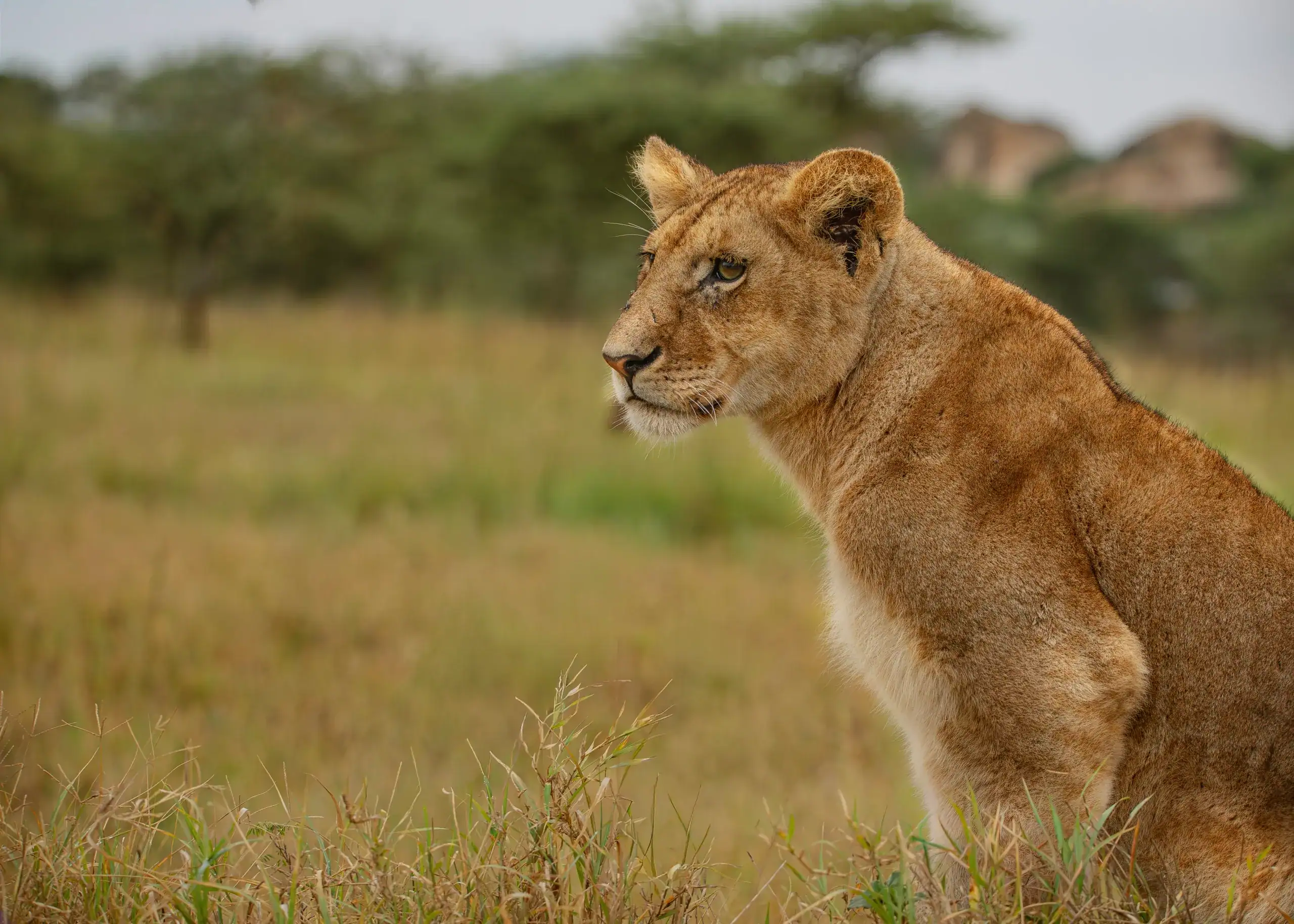
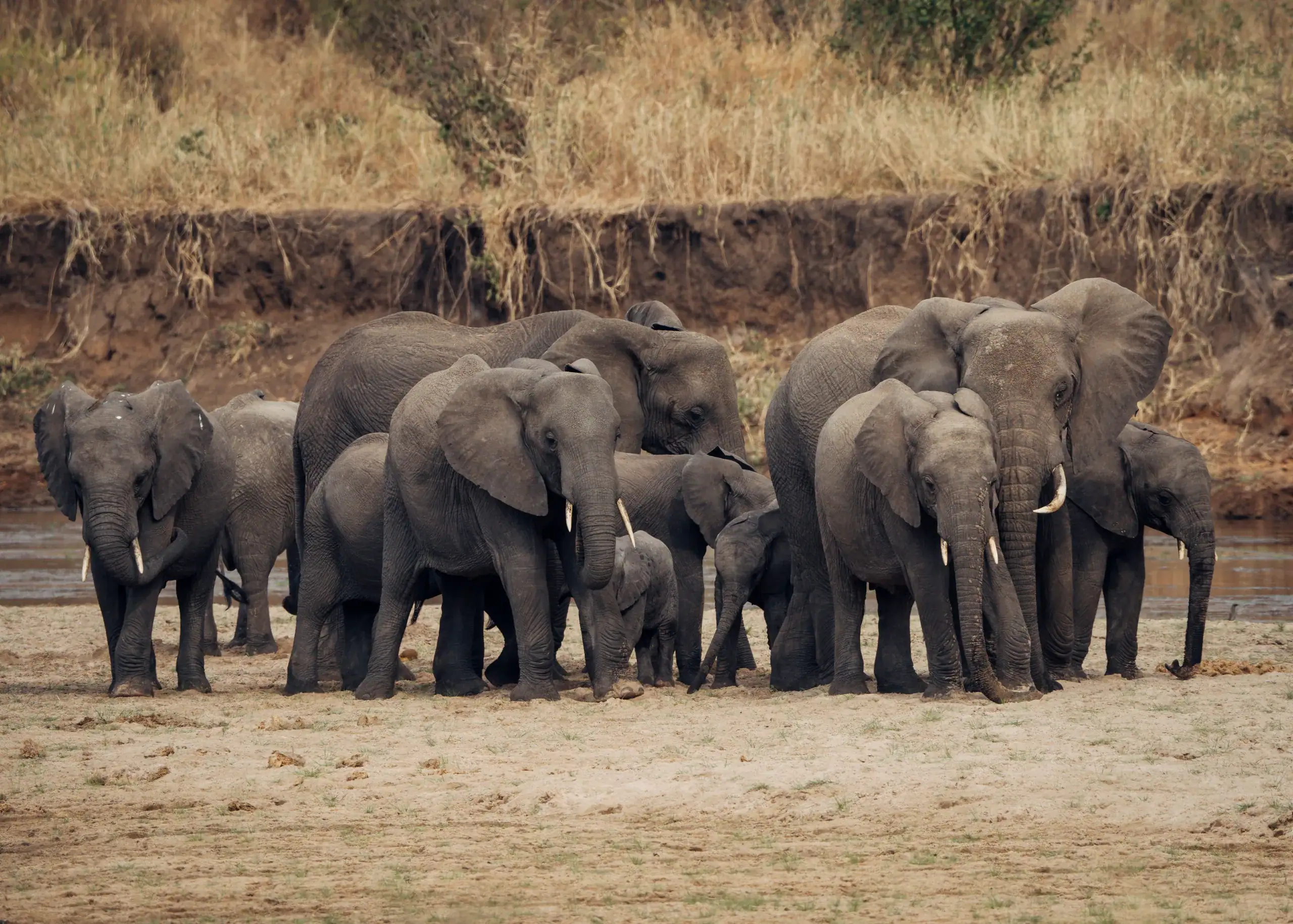
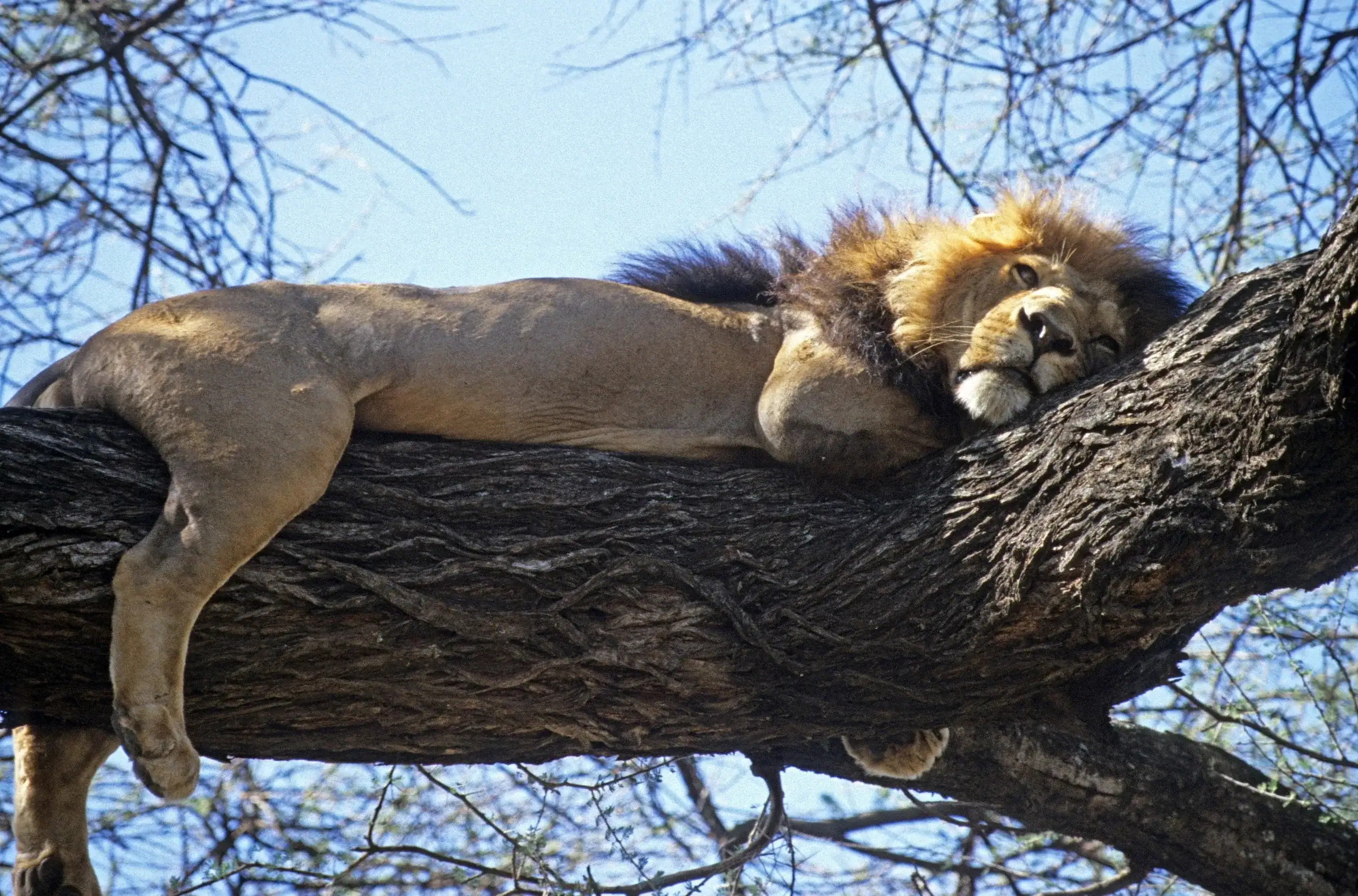
Black rhino, big-maned lions and old bull elephants, all within a single caldera.
When to go
Year-round. While the dry season (June-October) offers the easiest wildlife spotting, the wet season (November-May) paints the crater floor lush green with fewer vehicles.
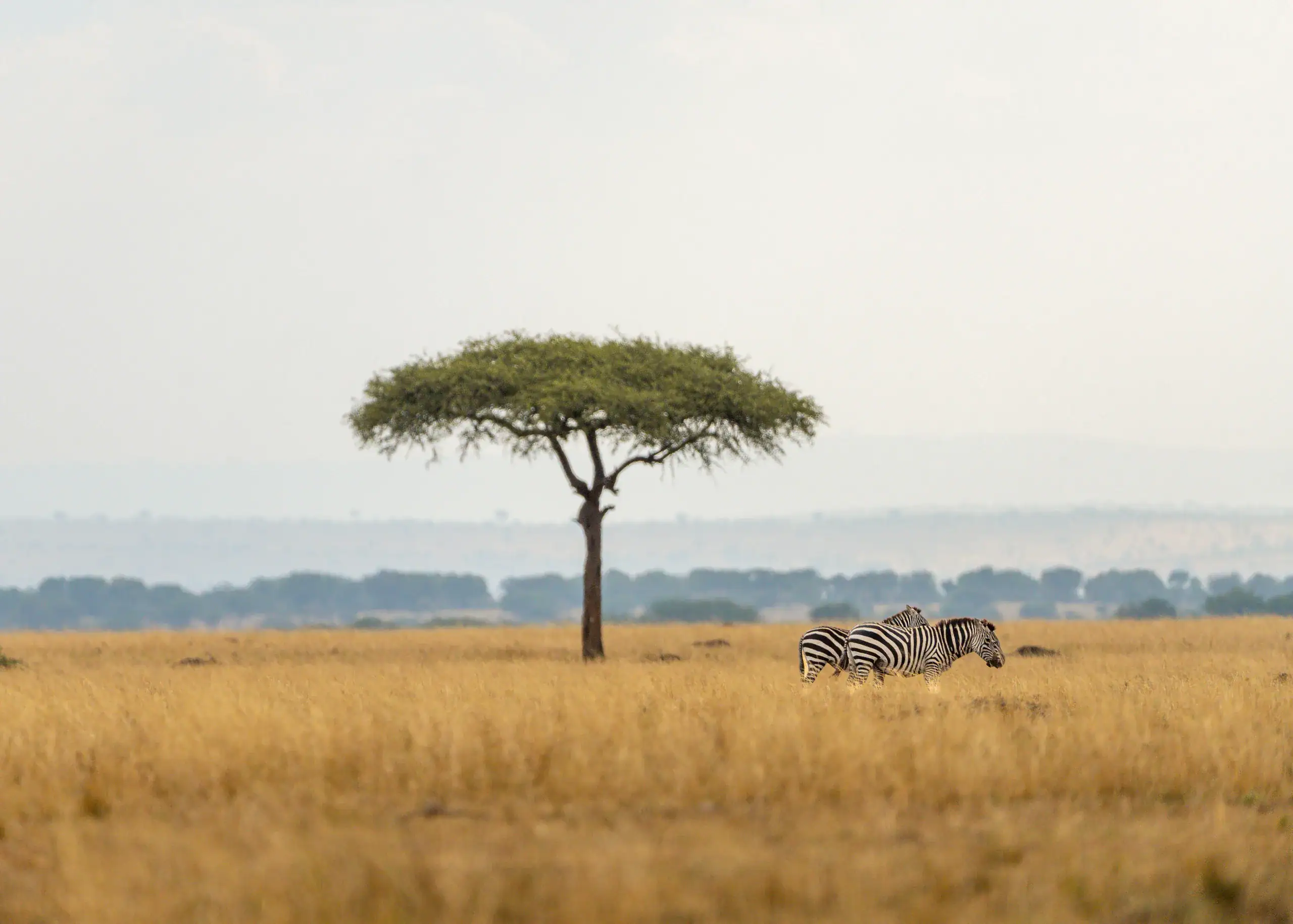
Short grass makes animals easy to spot. Mornings on the rim are cold.
A lush crater, newborn animals and fewer vehicles. Calving at nearby Ndutu peaks in February.
Wettest months; roads can be muddy, but the crater is beautiful and quiet.
Getting there
About 3–4 hours from Arusha (roughly 180 km) to the crater rim, on tarmac most of the way.
Most visitors drive. The nearest airstrips are at Lake Manyara and Ndutu.
Things to do
Where to stay
We match each stay to your budget and the season, from classic tented camps to luxury lodges.
Lodges perched on the rim, so you can be first down the descent road at dawn.
Coffee-farm lodges in the green highlands 30–40 minutes from the gate, warmer and quieter than the rim.
Tented camps on the southern plains for the calving season.
Descending the steep 600-meter crater walls at dawn is unforgettable. Within minutes, you are surrounded by a microcosm of African wildlife. It's an intense, concentrated game-viewing arena where big cats and grazers live in close quarters.
Itineraries
Each one is a starting point we tailor to your dates, pace and budget.
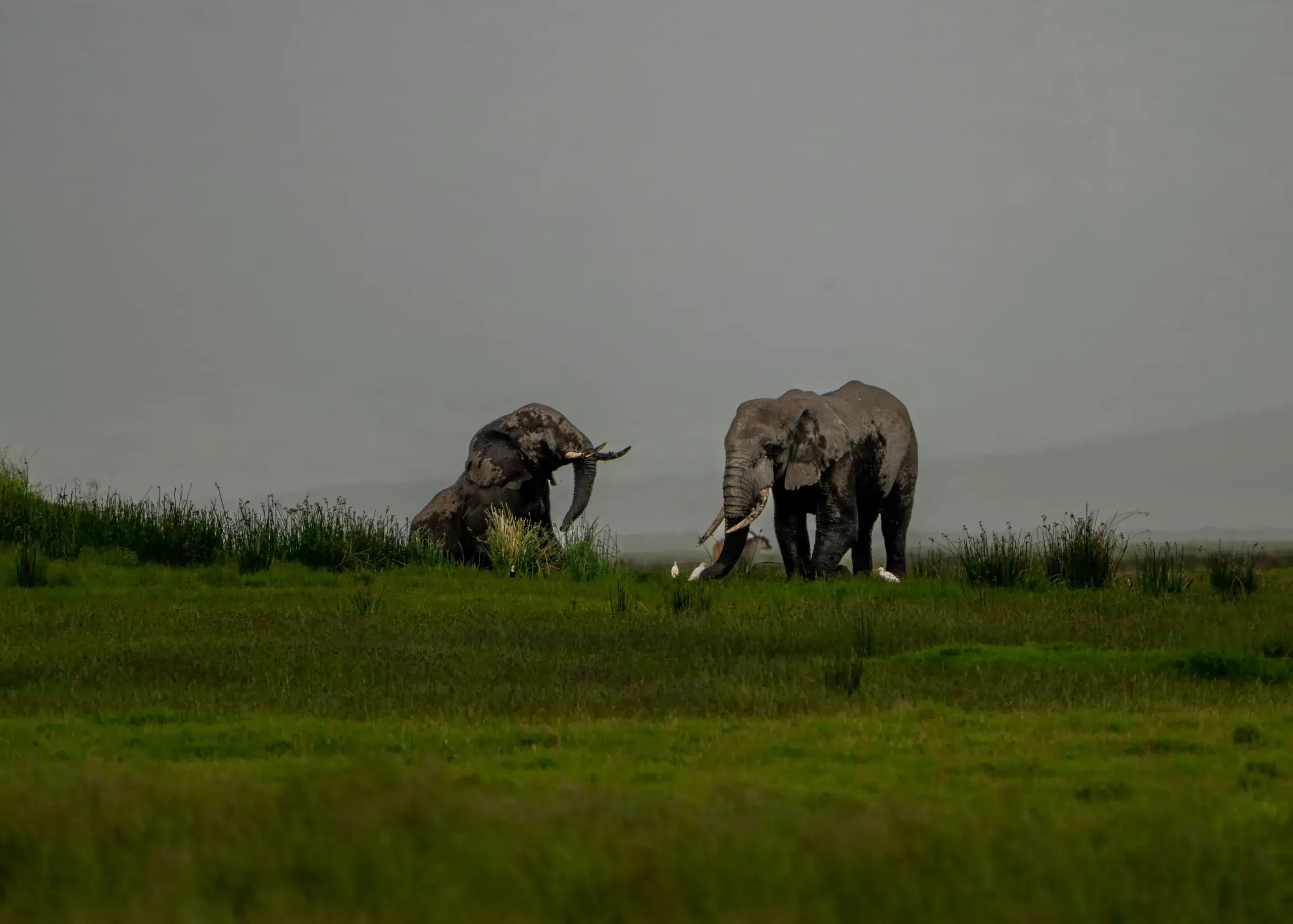 Big Five Focus
A concentrated wildlife experience inside one of Africa’s most iconic natural wonders.
2 Days / 1 Night · View itinerary →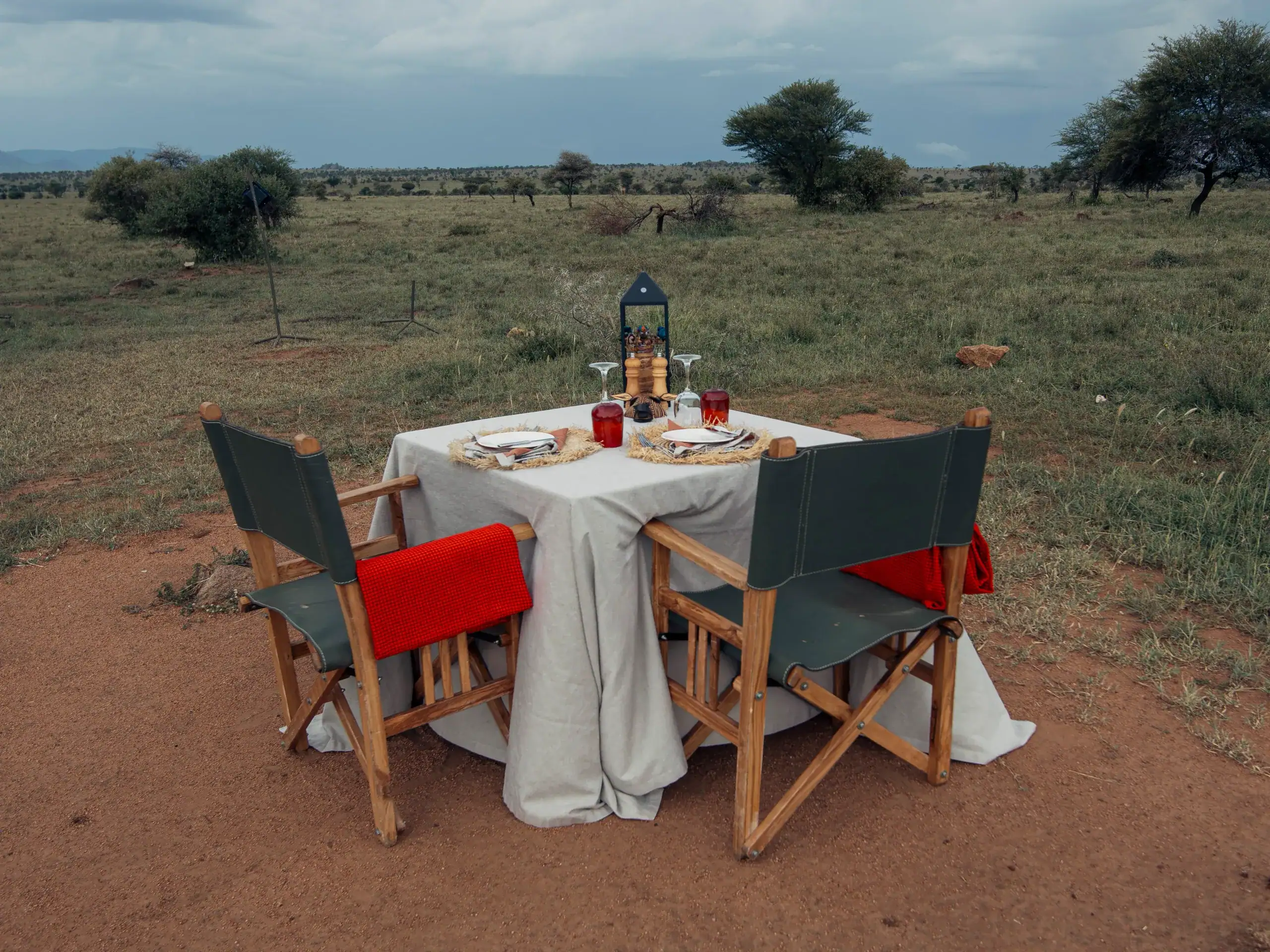 Classic Combo
A powerful combination of Serengeti’s open plains and Ngorongoro’s enclosed wildlife ecosystem.
3 Days / 2 Nights · View itinerary →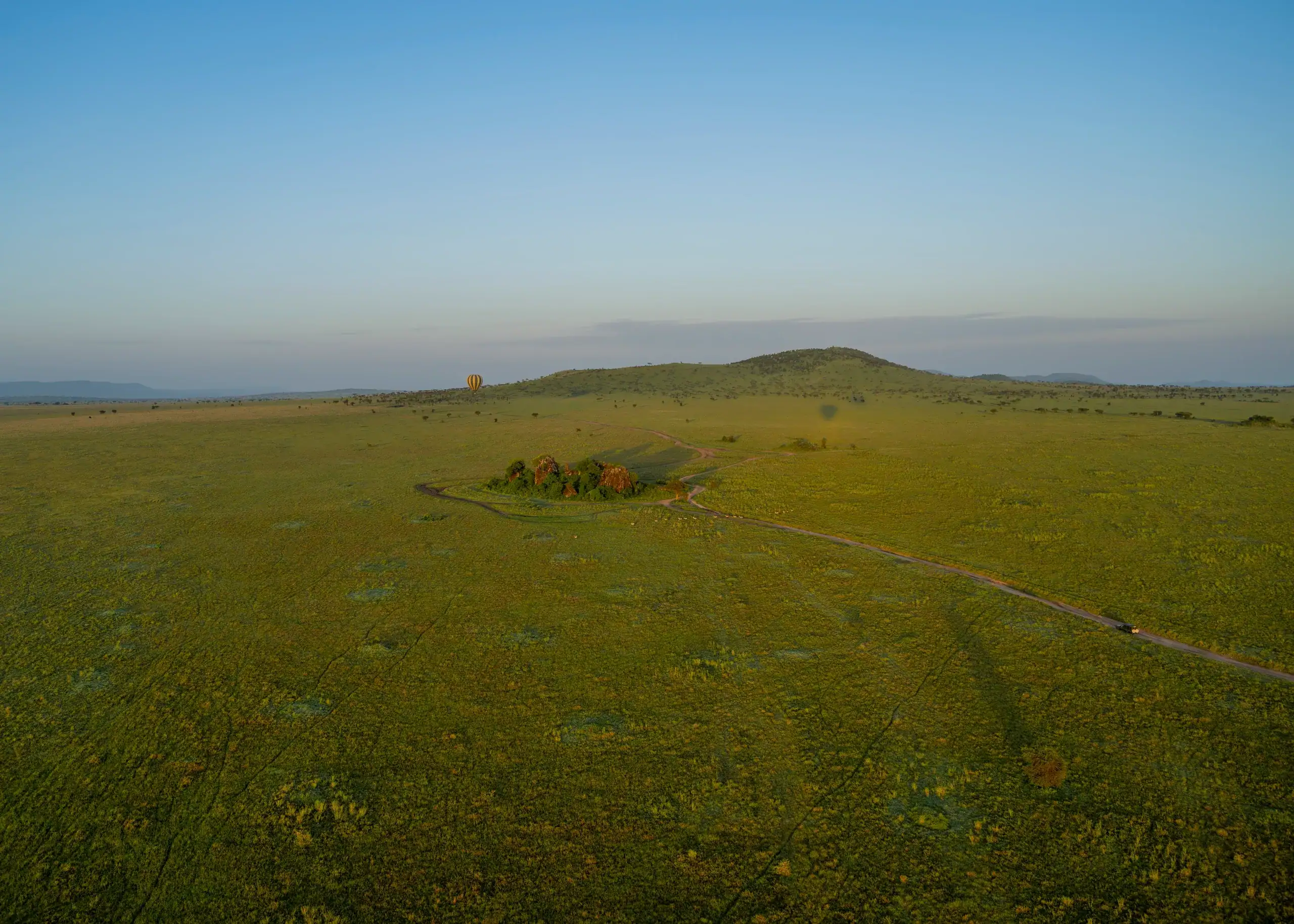 Balanced Circuit
A compact but rich safari through Tanzania’s most iconic parks.
4 Days / 3 Nights · View itinerary →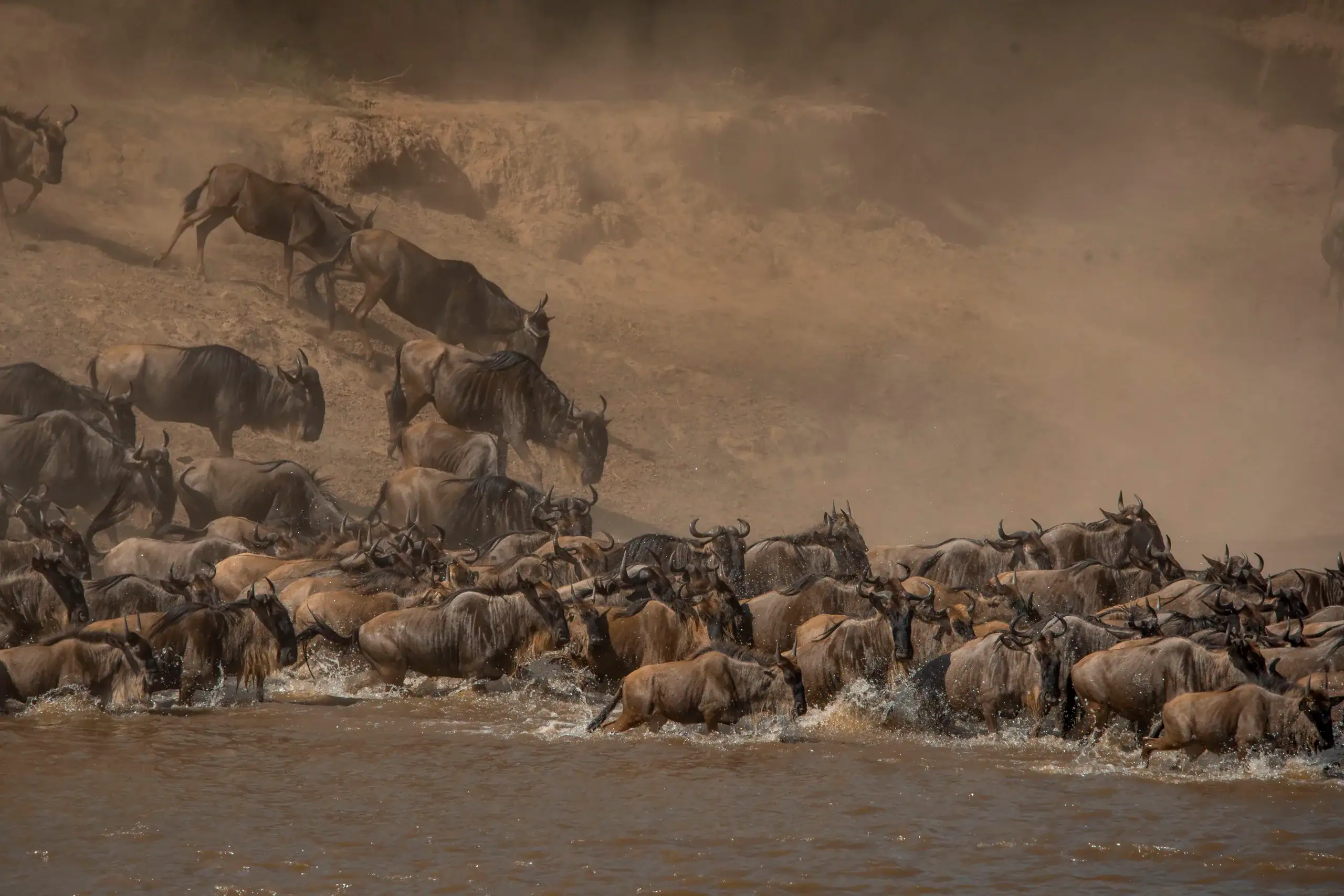 Migration Focus
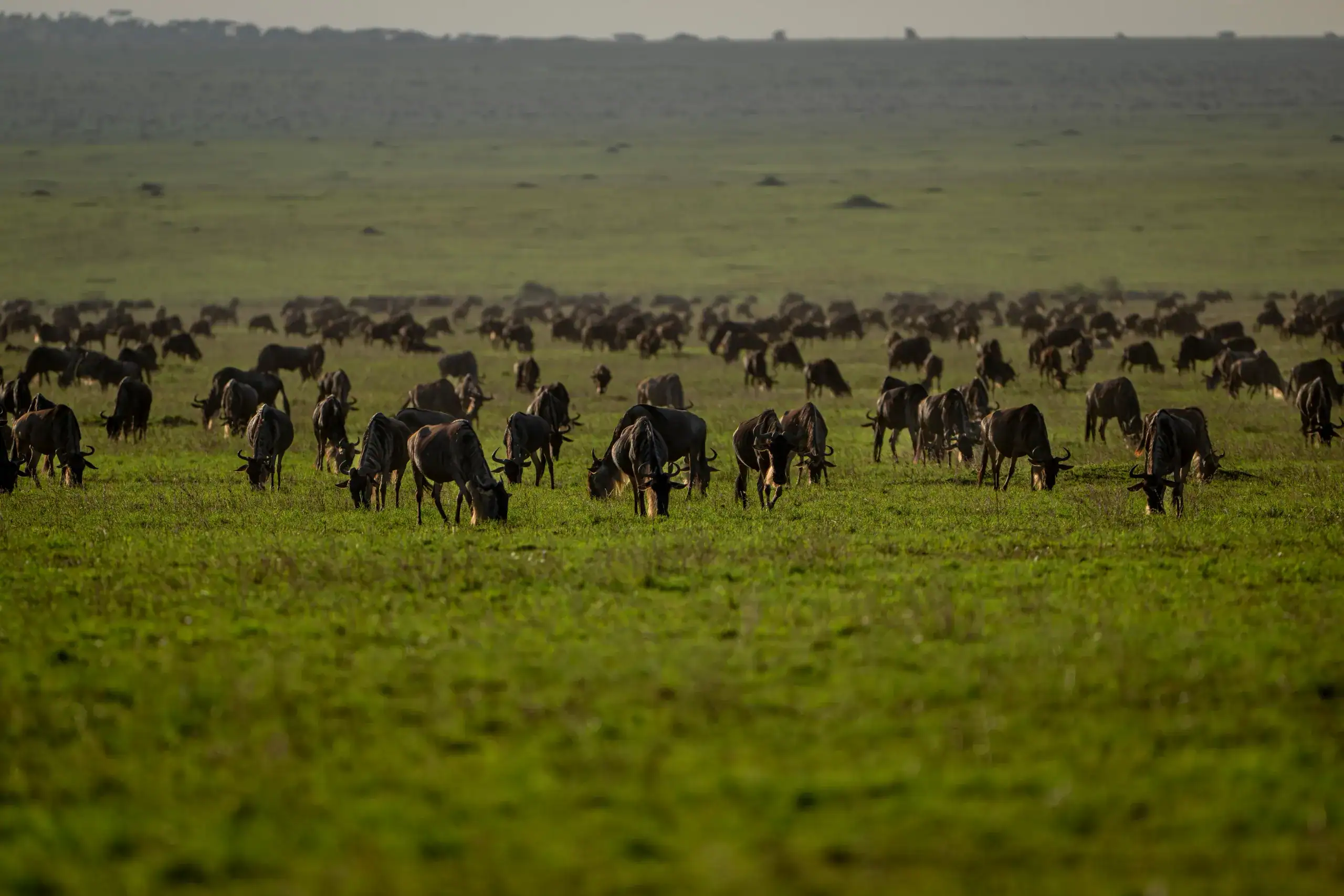
A strategic safari following the movement of over 2 million wildebeest and zebras.
5 Days / 4 Nights · View itinerary → Classic Safari Circuit
A well-balanced introduction to Tanzania’s northern safari circuit.
5 Days / 4 Nights · View itinerary → Explorer Circuit
A deeper journey through Tanzania’s diverse northern ecosystems.
6 Days / 5 Nights · View itinerary →Questions
Combine with
Tell us your dates and interests. A safari designer replies within 24 hours with ideas and prices.