Katisunga floodplain
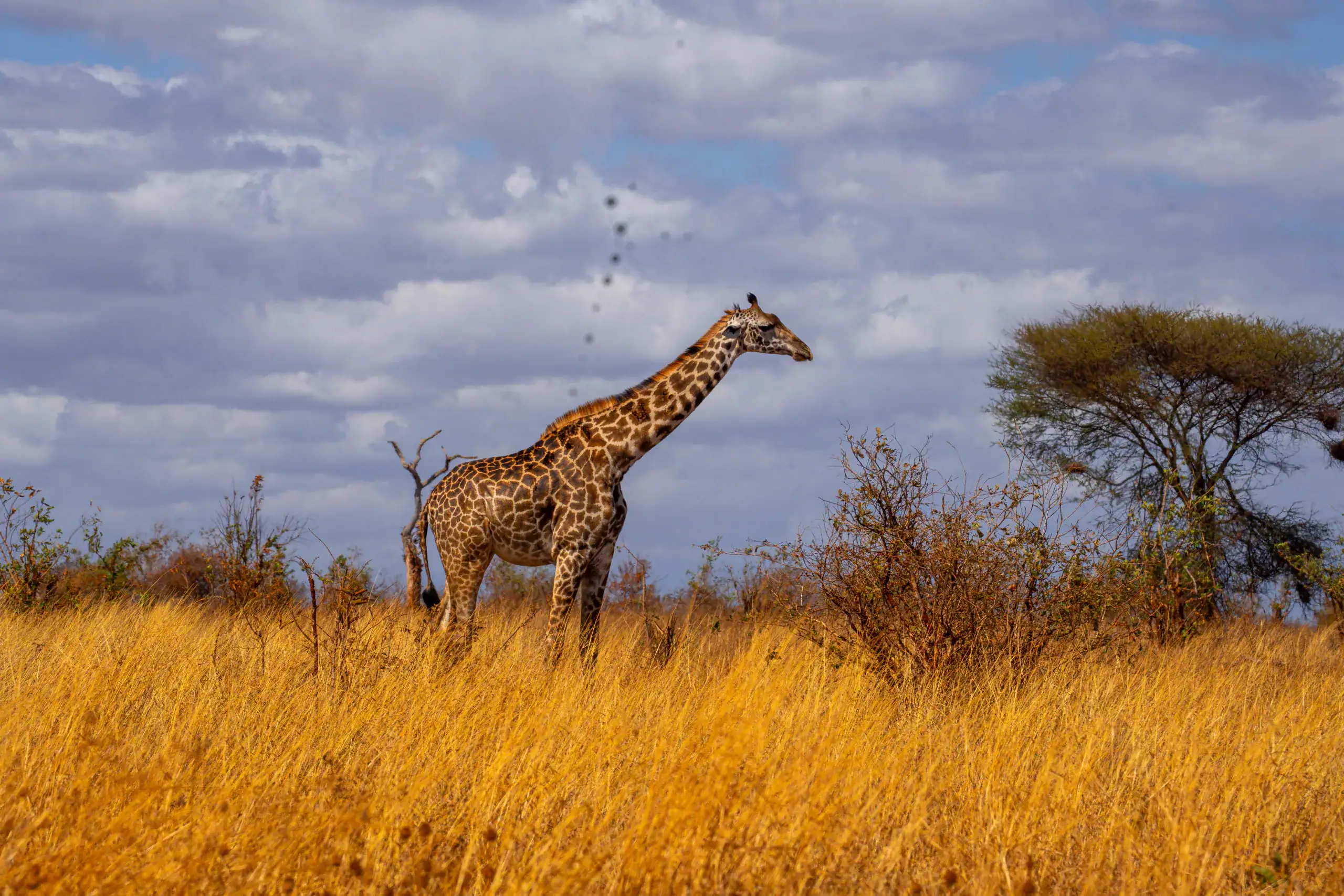
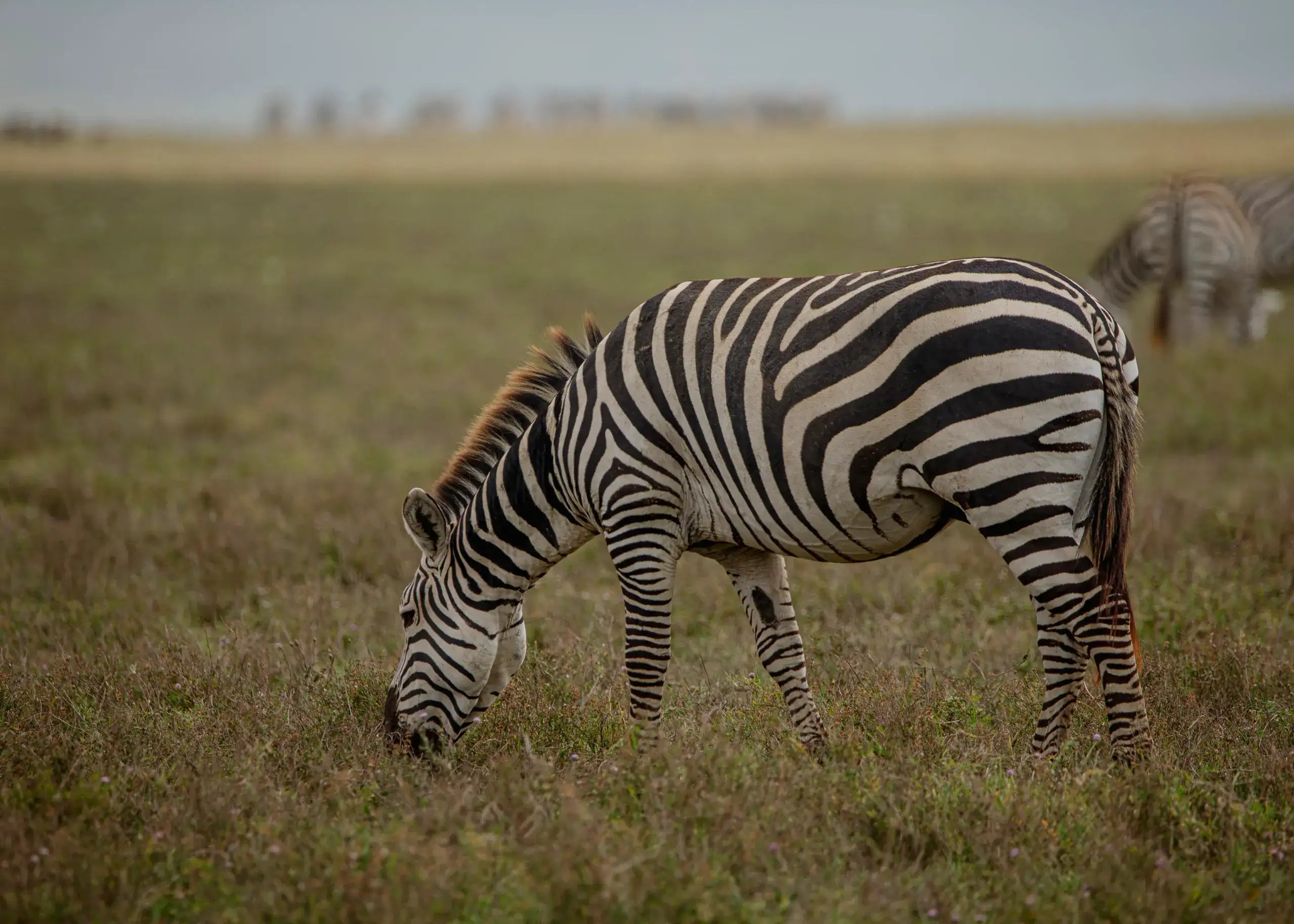
The vast heart of the park, with herds of buffalo, zebra and topi.
The Wild Frontier
One of Tanzania’s most remote and rugged parks. Known for its massive hippo pods, huge crocodile congregations, and vast herds of buffalo.
Overview
Katavi is for the safari purist who wants to see Africa as it was a century ago. It receives a fraction of the visitors of the northern circuit, offering raw, unfettered wilderness and dramatic predator-prey interaction.
Katavi is one of the most remote national parks in Africa, and it receives only a few hundred visitors a year. It is a place of wide floodplains, palm-fringed lakes and the Katuma River.
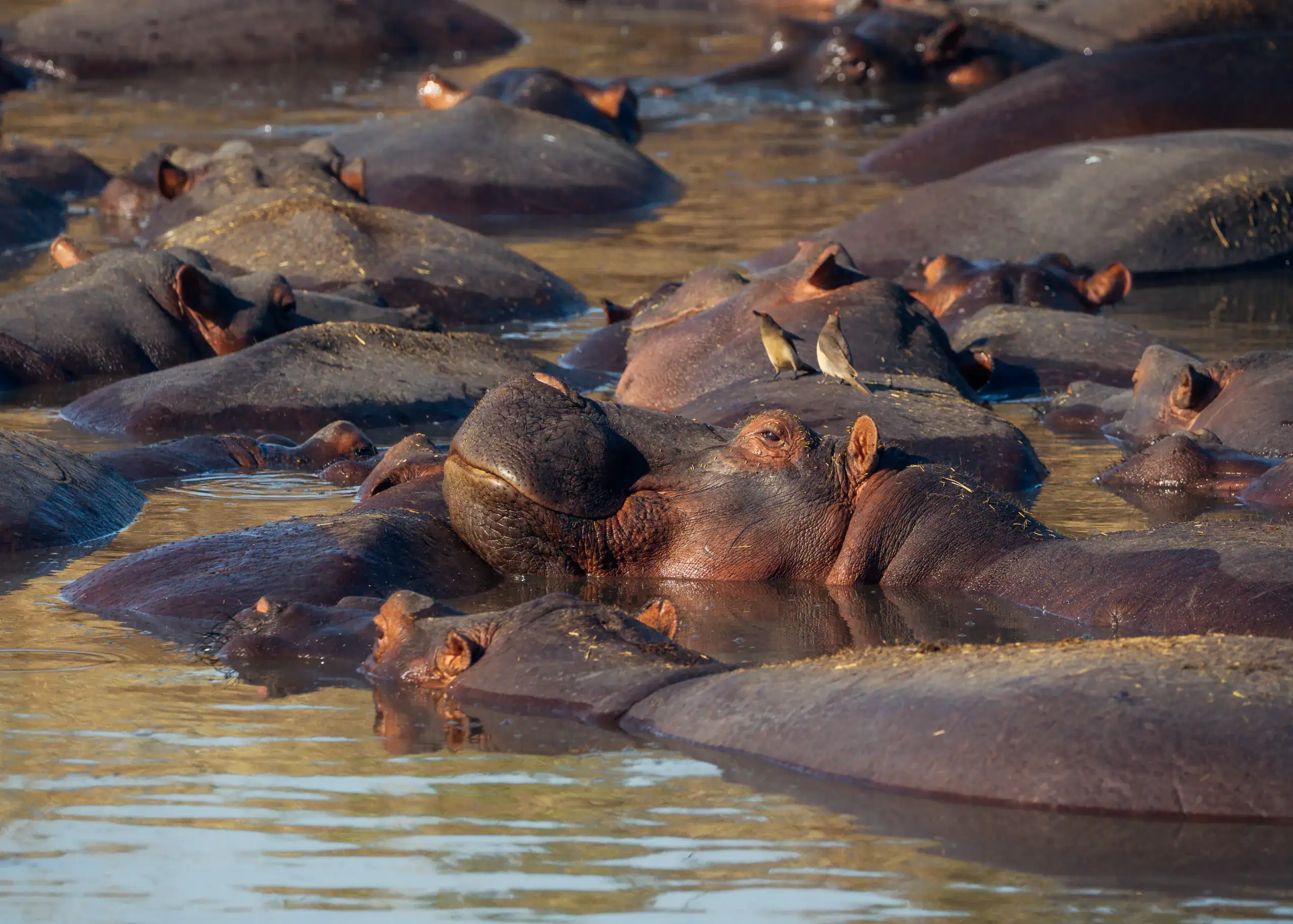
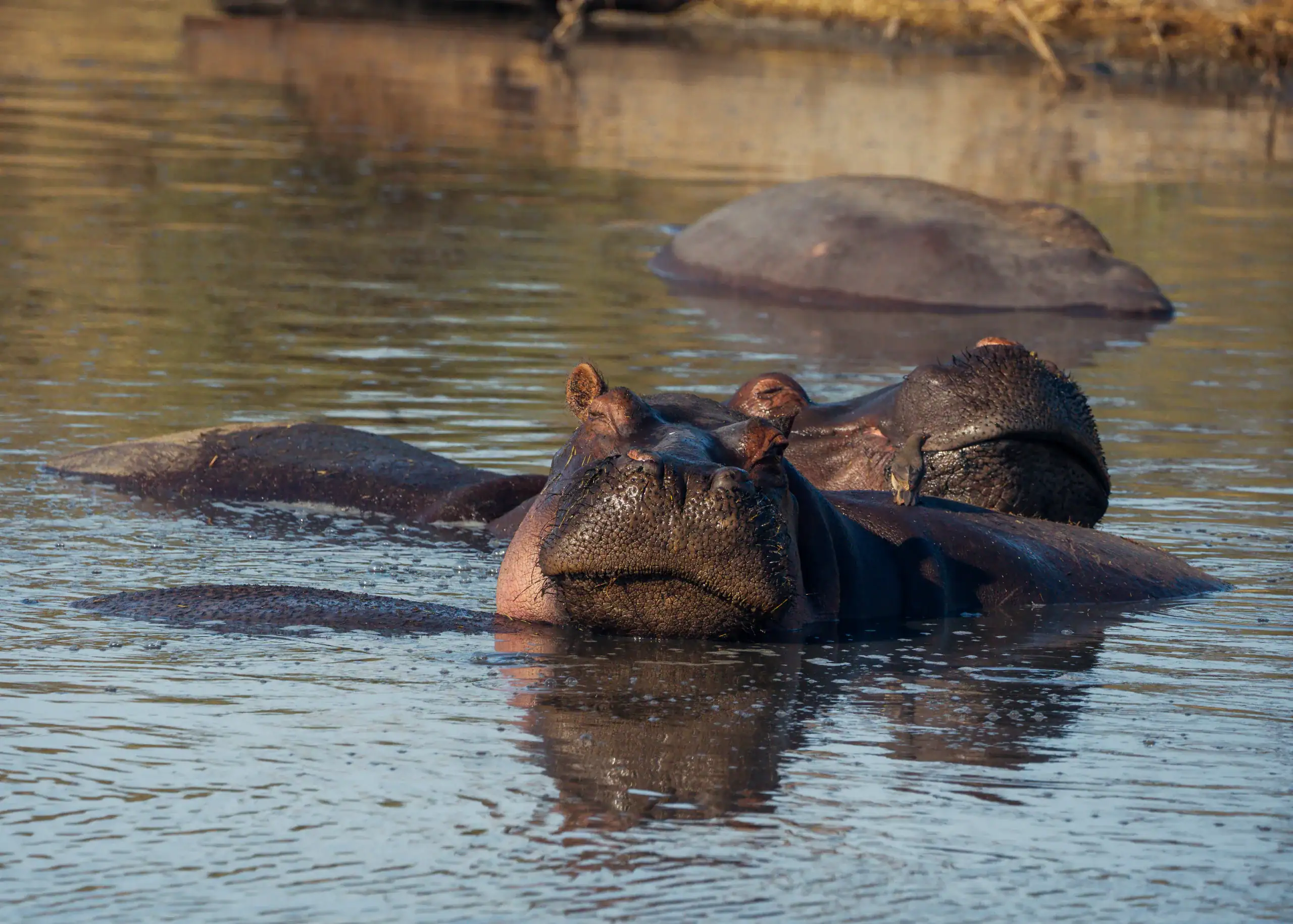
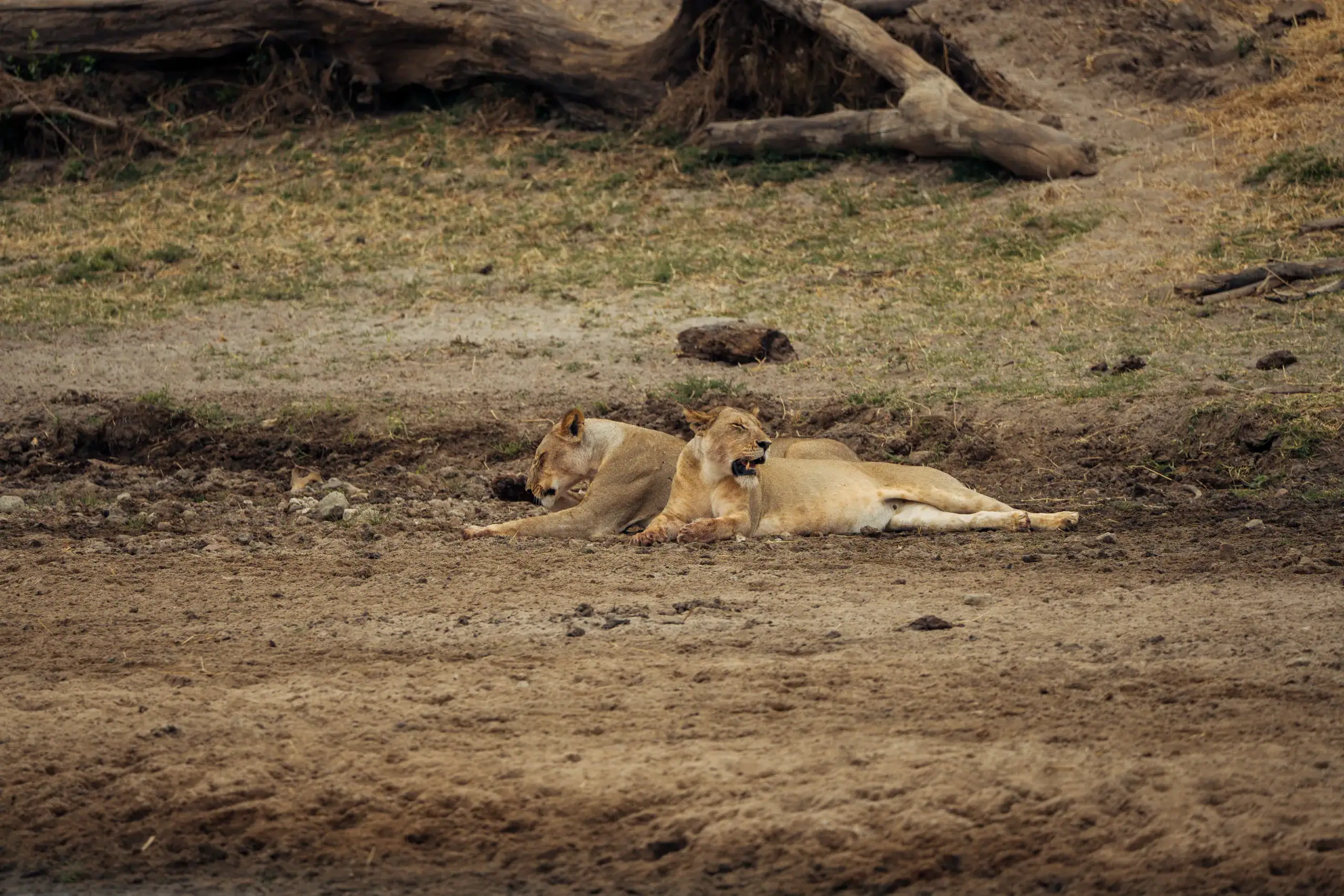
Late in the dry season the river shrinks to a few muddy pools, and the wildlife crowds around them in extraordinary numbers: hippos lying shoulder to shoulder, crocodiles, and buffalo herds that can number in the thousands. Lions and hyenas follow.
With only a handful of camps, game drives and walks here feel like proper exploration, and the park combines naturally with chimpanzee trekking in Mahale.
Inside the park
Where you stay and explore shapes what you see. These are the main areas we plan around.
The vast heart of the park, with herds of buffalo, zebra and topi.
The dry-season lifeline, with packed hippo pools and crocodiles.
Seasonal lakes and swamps that attract large concentrations of game and waterbirds.
Wildlife
Hippo pods by the hundred, giant buffalo herds, lions and crocodiles, with almost no other vehicles.
When to go
August to October. During the late dry season, the Katuma River dries to muddy puddles, concentrating thousands of hippos and crocs into tight spaces, creating explosive viewing.
The most dramatic time, as hippos and other wildlife crowd into the last pools.
Pleasant weather and good game viewing as the plains dry out.
Most camps close; much of the park is inaccessible.
Getting there
Very long drives on rough roads; nearly all visitors fly.
Charter or seasonal scheduled flights from Arusha, frequently combined with Mahale.
Things to do
Where to stay
We match each stay to your budget and the season, from classic tented camps to luxury lodges.
A few seasonal camps overlooking the floodplains.
Intense and untamed. You will drive across vast, golden floodplains watching herds of up to 4,000 buffalo kick up dust, pursued closely by lions. It’s an unplugged, deeply authentic frontier experience.
Questions
Combine with
Tell us your dates and interests. A safari designer replies within 24 hours with ideas and prices.